
The idea of having a tooth removed can sound worse than the appointment itself. Many people picture sharp pain, a long procedure, or a level of discomfort they will not be able to handle. That worry is understandable, especially if the tooth already hurts or past dental visits have felt stressful.
Modern tooth removal is planned around comfort. The area is numbed before the tooth is removed, and sedation options may be available for patients who feel anxious or need extra support. You may feel pressure, movement, or tugging during treatment, but sharp pain should not be part of a properly numbed extraction. Afterward, soreness is normal as the area begins to heal.
At SoCal Sleep Dentistry, tooth extraction planning can include exams, X-rays, local anesthesia, sedation options, and detailed aftercare. The goal is to remove a tooth that cannot safely stay in place while helping you understand what you may feel before, during, and after care.
Does It Hurt Getting a Tooth Pulled?
A tooth extraction should not feel sharply painful once the area is fully numb, though pressure and movement are common.
- Local anesthesia numbs the tooth and surrounding tissue.
- Sedation may be discussed for anxiety or complex treatment.
- Soreness after the appointment is normal for a few days.
- Worsening pain after initial improvement can signal dry socket or infection.
Call your dentist if pain grows stronger, swelling worsens, or symptoms feel unusual.
Does Getting a Tooth Pulled Hurt During the Procedure?
During the procedure, the dentist checks that the area is numb before removing the tooth. If you feel sharp pain, you should be able to signal the dental team so they can pause and adjust your care.
Pressure Is Common
Numbing medicine blocks pain, but it does not remove every sensation. You may still feel pushing, rocking, or pressure as the tooth is loosened. That sensation can feel strange, but it should not feel like untreated tooth pain.
Anxiety Can Make Sensations Feel Bigger
Fear can make normal pressure feel more intense. Some patients tense their jaw, hold their breath, or expect pain before it happens. Talking about anxiety before treatment helps the dental team plan support, explain each stage, and discuss sedation options when appropriate.
Complex Teeth May Need More Time
A simple extraction may be quicker than removing a tooth that is broken, impacted, infected, or difficult to reach. A longer appointment does not mean it should be painful. It means the dentist may need a more careful approach.
Why a Tooth May Need to Be Removed
A dentist recommends removal when keeping the tooth would create more risk than benefit. The reason affects the procedure and the recovery.
Severe Decay
A tooth with deep decay may be too damaged for a filling, crown, or root canal. Removal may be recommended when the remaining structure cannot support repair.
Infection
An infected tooth may need extraction if it cannot be saved or if leaving it in place could allow infection to spread. Pain, swelling, bad taste, or a pimple-like bump on the gum should be checked promptly.
Trauma or Fracture
A tooth can break below the gumline or split in a way that makes restoration unlikely. X-rays help the dentist see how much healthy structure remains.
Impacted Teeth
Impacted wisdom teeth can become trapped under the gums or jawbone. They may cause pain, swelling, infection, crowding, or damage to nearby teeth.
What Happens Before the Tooth Is Pulled?
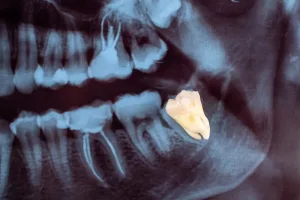
The tooth extraction appointment usually begins with an exam and imaging. X-rays help show the tooth roots, surrounding bone, infection, and the position of nearby teeth.
Review of Your Health History
Your dentist needs to know about medications, allergies, medical conditions, pregnancy, past reactions to anesthesia, and any blood-thinning medicines. These details help shape a safer treatment plan.
Numbing and Comfort Planning
Local anesthesia is used to numb the treatment area. SoCal Sleep Dentistry also discusses sedation options for patients with dental anxiety or those who request extra comfort support. If sedation is used, you may need someone to drive you home.
A Clear Aftercare Plan
Before you leave, the team should explain how to care for the extraction site. Instructions may cover gauze, eating, brushing, activity, medication, swelling, and warning signs.
How Long Does It Hurt After Getting a Tooth Pulled?
Soreness is usually most noticeable during the first few days. Many people feel gradual improvement after the first 24 to 72 hours. The gum and bone continue healing after the early discomfort fades.
The First Day
Numbness can last for a while after the appointment. Avoid chewing until it wears off so you do not bite your cheek or tongue. Gauze may be used to control bleeding, and rest is usually recommended.
The First Week
Tenderness, mild swelling, and a dull ache can be expected. Soft foods, careful brushing away from the site, and following your medication instructions can help recovery feel more manageable.
Pain That Gets Worse
Pain should trend in the right direction. If pain improves and then becomes stronger, or if it spreads toward the ear or jaw, contact the dentist. This can happen with dry socket, infection, or irritation at the extraction site.
What Is Dry Socket?
Dry socket happens when the blood clot at the extraction site is lost or does not form well. The clot protects the bone and nerves while healing begins. Without that protection, pain can become stronger a few days after the procedure.
Signs to Watch For
Dry socket may cause intense pain, an empty-looking socket, bad taste, bad breath, or pain that radiates toward the ear. It needs dental care for comfort and proper management.
How to Lower the Risk
Follow your aftercare instructions closely. Avoid straws, smoking, forceful rinsing, spitting, and touching the site during early healing. These actions can disturb the clot.
How to Make Recovery More Comfortable
A smoother recovery usually comes from following the care plan closely. Small choices during the first few days can affect bleeding, swelling, and soreness.
Use Gauze as Directed
Biting gently on gauze helps control bleeding after the tooth is removed. Replace it as directed, and contact the office if bleeding seems heavy or does not slow.
Choose Soft Foods
Soft foods reduce chewing pressure near the extraction site. Avoid crunchy, spicy, very hot, or hard foods while the area is tender.
Be Careful With Oral Hygiene
Keep your mouth clean, but do not brush directly over the extraction site during the earliest healing stage. Follow any saltwater rinse guidance you are given.
Rest Before Returning to Hard Activity
Strenuous activity can increase bleeding or throbbing. Give your body time to begin healing before returning to demanding exercise.
When Pain After an Extraction Needs a Dentist
Some discomfort is expected, but certain symptoms need attention. Call the dentist if pain becomes stronger instead of improving, swelling increases, or you notice fever, pus, a bad taste, uncontrolled bleeding, or trouble opening your mouth.
Severe or Spreading Pain
Pain that radiates into the ear, temple, or jaw after a few days can point to dry socket or another problem. Treatment can help relieve discomfort and protect the area.
Swelling That Gets Worse
Mild swelling can happen after extraction. Swelling that grows, feels hot, or appears with fever should be checked.
Trouble Swallowing or Breathing
These symptoms need urgent medical care. Do not wait for a dental appointment if swelling affects breathing or swallowing.
Feel Prepared Before Your Extraction
Does getting a tooth pulled hurt? With proper numbing, you should not feel sharp pain during the procedure. You may feel pressure, movement, and later soreness while the area heals. The experience is often less dramatic than the worry beforehand, especially when the treatment plan includes clear comfort options.
At SoCal Sleep Dentistry, we can examine the tooth, review X-rays, explain anesthesia options, and guide you through aftercare. Book an appointment with our team if you have a painful, broken, infected, or impacted tooth that may need removal.
Frequently Asked Questions
Does it hurt getting a tooth pulled?
Getting a tooth pulled should not cause sharp pain once the area is numb. You may feel pressure or movement during the procedure and soreness afterward.
How long should tooth extraction pain last?
The strongest soreness is often in the first few days, then it should begin improving. Pain that becomes worse after initial improvement should be checked.
Does getting a wisdom tooth pulled hurt?
A wisdom tooth removal should be performed with numbing, and sedation may be discussed for comfort. Impacted teeth can cause more soreness afterward because the procedure may be more involved.
What does dry socket feel like?
Dry socket can cause intense pain a few days after extraction, often with a bad taste, bad breath, or pain spreading toward the ear. Contact your dentist if this happens.
Can I go back to work after a tooth extraction?
Some people return to light work the next day, while others need more rest. Your dentist can advise based on the tooth removed, sedation used, and how you feel after treatment.