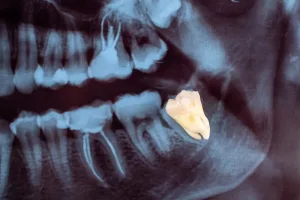


A dental filling can be surprisingly hard to spot once it is finished. Some fillings are tooth-colored and blend with the surrounding enamel. Others look silver or gray, especially older metal fillings on back teeth. A filling may look smooth and polished when it is healthy, but it can look chipped, stained, rough, or missing if something has gone wrong.
Patients often ask what a filling looks like because they notice a new texture in a tooth, see a darker area, or feel a sharp edge after eating. The concern is reasonable. A tooth filling is meant to restore the space left after decay is removed, so a damaged or missing filling can expose the tooth to sensitivity, bacteria, and further breakdown.
At SoCal Sleep Dentistry,dental fillings are used to repair cavities, restore damaged tooth structure, and help protect teeth from further decay. A dental exam can show whether you are looking at a healthy restoration, a cavity filling that needs repair, or a new area of decay.
What Does a Tooth Filling Look Like?
A tooth filling usually looks like a smooth repair inside the tooth where decay or damage was removed.
- Tooth-colored fillings blend with enamel and may be hard to see.
- Silver fillings look gray or metallic, often on back teeth.
- A healthy filling should feel smooth, sealed, and comfortable when biting.
- A damaged filling may look cracked, dark around the edges, chipped, or partly missing.
A dentist can confirm whether the filling is intact.
What Different Types of Fillings Look Like
Fillings can look different because dental materials vary. The tooth being treated, the size of the cavity, bite pressure, cosmetic goals, and clinical needs can all affect the choice of material.
Tooth-Colored Composite Fillings
Composite resin is shaded to match the surrounding tooth. After it is shaped and polished, it can blend closely with natural enamel. You may see a faint outline under strong light, but many composite fillings are difficult to notice during normal smiling or talking.
A composite filling often looks slightly glossy after polishing. On front teeth, it may be used to repair small chips, worn edges, or decay in visible areas.
Silver Amalgam Fillings
Amalgam fillings look silver, gray, or darker metallic. They are most often seen on molars and premolars because those teeth handle heavy chewing. Older amalgam fillings can darken over time and may make the surrounding tooth look slightly gray.
A silver dental filling can still function well if it is sealed, stable, and comfortable. The appearance alone does not mean it needs replacement.
Temporary Fillings
A temporary filling may look off-white, pale gray, or slightly dull compared with natural enamel. It may be used while a tooth is waiting for more complete care. Temporary material is not meant to last like a permanent restoration, so it should be monitored closely.
What Does a Healthy Filling Feel Like?
A healthy filling should feel like part of the tooth. It should not feel sharp, high, loose, or rough. Your bite should feel comfortable once the tooth settles after treatment.
Smooth Edges
The edges of the filling should meet the tooth cleanly. A smooth seal helps reduce spaces where food and bacteria can collect. Your tongue may notice a new shape for a short time after treatment, but it should not keep catching on a sharp ridge.
Comfortable Bite
The filling is shaped so your upper and lower teeth meet properly. If it feels too high, chewing may feel sore or uneven. A small adjustment can often improve the bite.
Mild Short-Term Sensitivity
Some sensitivity can happen after a filling, especially with cold foods or drinks. Sensitivity that fades is usually less concerning than pain that grows stronger, lingers, or affects chewing.
What Does a Filling Look Like When It Falls Out?
A filling that falls out may leave a hole, rough space, dark area, or sharp edge in the tooth. You may feel the missing area with your tongue before you see it. Food may also start catching in the same spot.
The tooth can become sensitive once the filling is gone. Cold drinks, sweets, air, or chewing pressure may trigger discomfort. The area may look brown, gray, black, or hollow depending on the original cavity and the tooth structure underneath.
Do not chew on the affected side if the tooth feels weak or sharp. A lost filling should be checked promptly because the exposed tooth can collect bacteria and break more easily.
What to Do Next
Rinse gently with warm water to clear loose food. Keep brushing carefully, but avoid digging into the hole with toothpicks or sharp objects. Call the dentist to schedule repair, especially if the tooth hurts or feels fragile.
What Does a Cracked Filling Look Like?
A cracked filling may show as a thin line through the filling, a chipped edge, a rough surface, or a dark shadow around the repair. Some cracks are too small to see at home, so symptoms can be the first clue.
Signs You Might Notice
You may feel a rough edge, catch floss near the filling, or notice food packing into the same area. The tooth may react to cold, sweets, or biting pressure. A cracked filling can also make the tooth feel different when you chew.
Why Cracks Need Attention
A crack can create a space where bacteria and food enter. Decay may begin around or under the filling. The tooth can also weaken if the filling no longer supports the surrounding structure properly.
A dentist can check whether the filling can be repaired or whether the tooth needs a larger restoration.
How a Dentist Checks a Filling
A dental exam can separate normal wear from a problem that needs treatment. The dentist may look at the filling under bright light, check the edges with dental instruments, review your bite, and take X-rays if decay may be hidden.
Visual Exam
The dentist checks for gaps, chips, stains, cracks, roughness, and areas where the filling has pulled away from the tooth. Old fillings may need closer review if they have worn edges or visible leakage.
Bite Check
A filling that sits too high can place extra pressure on the tooth. Bite paper can show where the teeth meet. Adjusting the filling may help if the tooth feels sore after recent treatment.
X-Rays
X-rays can show decay between teeth or under an old filling. They can also help the dentist see how deep a cavity is before placing a new restoration.
What Happens During a Dental Filling Appointment?
A dental filling repairs the tooth after decay or damaged material is removed. The process is planned around the size and location of the cavity and the type of filling being placed.
Numbing the Area
The tooth and nearby tissue are numbed before treatment. This helps keep the appointment comfortable while the dentist cleans the damaged area.
Removing Decay
The decayed or weakened part of the tooth is removed. The space is cleaned and shaped so the filling material can bond or fit properly.
Placing and Polishing the Filling
The filling material is placed, shaped, and polished. For composite resin, the material is usually hardened in layers with a special light. The dentist then checks the bite and adjusts the surface if needed.
When Should a Filling Be Replaced?
A filling may need replacement if it is cracked, leaking, loose, worn down, painful, or surrounded by new decay. Regular checkups help find these problems before the tooth becomes more damaged.
Old Fillings
Older fillings can last for many years, but they are not permanent. Chewing forces, grinding, decay, and normal wear can change their fit over time.
Stained Edges
A dark line around a filling may be stain, but it can also suggest leakage or decay. A dentist can tell whether it is cosmetic staining or a sign that the restoration is failing.
Pain or Sensitivity
Pain when biting, lingering cold sensitivity, or a dull ache near a filling should be checked. The tooth may need a bite adjustment, filling repair, crown, or another treatment depending on the cause.
Keep Your Restored Tooth Looking and Feeling Right
A healthy filling should help your tooth feel smooth, comfortable, and protected. Tooth-colored fillings may blend with enamel, while silver fillings are easier to spot. Cracks, gaps, sharp edges, or a missing section need attention before the tooth becomes more vulnerable.
At SoCal Sleep Dentistry, we can check an existing filling, repair a damaged one, or place a new cavity filling when decay is present. Book an appointment with our team if a filling feels rough, looks cracked, falls out, or causes sensitivity.
Frequently Asked Questions
What does a tooth filling look like?
A tooth filling may look tooth-colored, silver, gray, or slightly glossy depending on the material used. A healthy filling should look smooth, sealed, and shaped to match the tooth.
Can a filling be the same color as my tooth?
Yes. Composite fillings can be matched to the shade of your natural tooth. They are often used when a more natural-looking result is preferred.
Is a dark line around a filling normal?
A dark line may be stain, old filling material, leakage, or decay near the edge. A dentist should check it if the line grows, feels rough, or comes with sensitivity.
What should I do if my filling feels sharp?
A sharp filling edge should be checked. The filling may need polishing, adjustment, repair, or replacement depending on the cause.
Can a cavity filling fall out without pain?
Yes. A filling can fall out without immediate pain, especially if the tooth nerve is not exposed. The tooth still needs prompt care because the open area can trap food and bacteria.