
Wisdom teeth have one of the strangest names in dentistry. They do not help you think, remember, or make better choices. The name comes from the age when these teeth usually appear.
So, why are wisdom teeth called wisdom teeth? They tend to come in much later than the rest of your adult teeth. For many people, that happens in the late teens or early twenties. In the past, this stage of life was linked with reaching adulthood and becoming more mature. The name grew from that idea.
At SoCal Sleep Dentistry, we check wisdom teeth as part of adult dental care and can use X-rays to see teeth that are still under the gums. We also provide tooth extractions when a wisdom tooth causes problems or does not have enough room. This guide explains where the name came from, when these teeth tend to appear, and why some people never see theirs come through.
Why Are They Called Wisdom Teeth?
Wisdom teeth got their name because they usually appear later than the rest of the adult teeth.
- They are the third molars at the very back of the mouth.
- They often come through between the late teens and early twenties.
- That age was once linked with greater maturity or “wisdom.”
- The name refers to timing, not to any special job the teeth perform.
They are also called third molars, which is the more direct dental name.
What Are Wisdom Teeth?
Wisdom teeth are the last set of molars at the back of the mouth. A person can have up to four, with one in each back corner of the upper and lower jaws.
They are called third molars because they sit behind the first and second molars. These teeth develop later than most other permanent teeth. They may come through normally, stay under the gums, or never form at all.
A wisdom tooth can be useful for chewing when it grows into a healthy position. Problems can start if there is too little room or if the tooth grows at an angle.
Why Are Wisdom Teeth Called Wisdom Teeth?
The namewisdom teeth has been around for hundreds of years. Older medical traditions linked these late-arriving molars with the age when a young person was becoming an adult.
The idea also appears in older Greek and Latin names for the teeth. Those terms connected the third molars with good judgment or maturity. English later developed the name “wisdom teeth” for the same basic reason.
The name stuck because the timing is unusual. Most permanent teeth are already in place years before these last molars appear.
Do Wisdom Teeth Make You Wiser?
No. Having wisdom teeth does not make a person wiser, and removing them does not affect intelligence. The name is simply a historical label. It reflects the age when the teeth often appear. A person may have four wisdom teeth, fewer than four, or none at all.
When Do Wisdom Teeth Come In?
Wisdom teeth often come in between ages 17 and 21, though some people get them a little earlier or later.
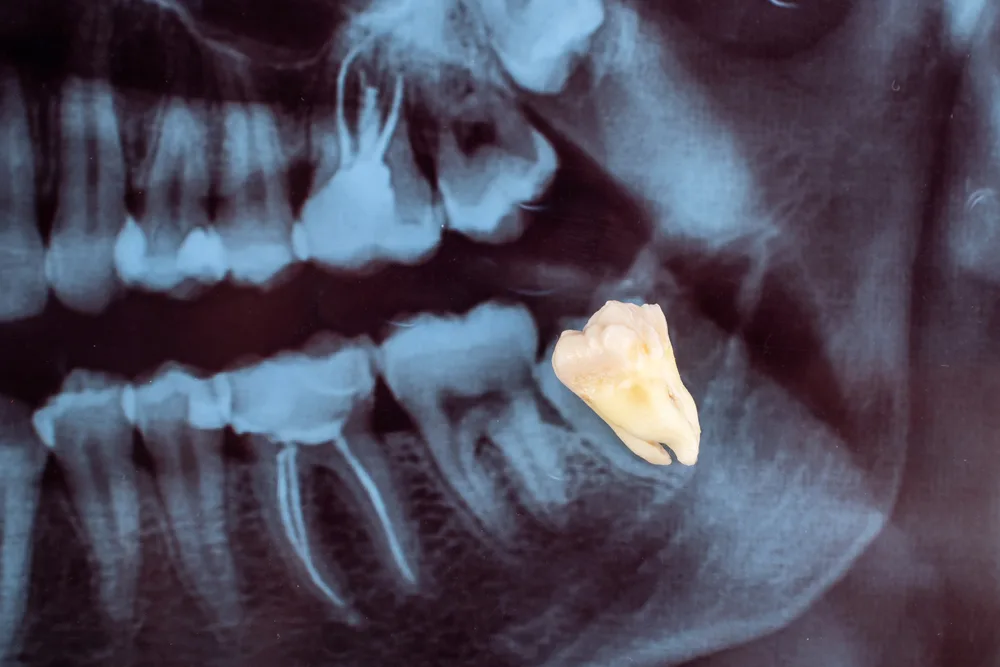
The teeth begin forming before they appear in the mouth. A dental X-ray can show their position while they are still under the gums. This lets us see whether there seems to be enough space for them to come through.
Some wisdom teeth never erupt fully. They can remain partly covered by gum tissue or stay trapped in the jaw.
What Does It Feel Like When They Come In?
You may notice pressure or tenderness at the back of the mouth as a tooth starts to appear. The gum can feel sore for a short time.
Strong pain, swelling, a bad taste, or trouble opening your mouth needs a dental check. These symptoms can point to infection or another problem around the tooth.
Why Do Some People Never Get Wisdom Teeth?
Some people never develop one or more wisdom teeth. This is a normal difference in human tooth development.
Genes can play a role, so patterns may run in families. One person may have all four teeth, while a sibling has only two.
Other people have wisdom teeth that form but never appear above the gums. An X-ray can show the difference between a missing tooth and one that is still hidden in the jaw.
Why Can Wisdom Teeth Cause Problems?
Modern jaws do not always have enough space for another set of molars at the back. A tooth with too little room can become impacted, which means it stays trapped under gum or bone.
A partly erupted tooth can also be hard to clean. Food and plaque may collect around the gum covering it. This can lead to soreness, decay, or infection.
The tooth can sometimes press against the molar in front of it. Regular exams and X-rays help us check the position before a small concern turns into a bigger dental problem.
What Is an Impacted Wisdom Tooth?
An impacted wisdom tooth cannot come fully into the mouth. It may be blocked by another tooth, bone, or the way it is angled.
Some impacted teeth cause no symptoms. Others can lead to pain, swelling, or damage to the tooth beside them.
We look at the position of the tooth, your symptoms, and the health of nearby teeth before talking about treatment.
Can Wisdom Teeth Be Healthy?
Yes. A wisdom tooth can be healthy if it comes through in a good position and has enough room around it. It should also be possible to brush and floss around the tooth without too much trouble.
We can keep an eye on these teeth during regular dental visits. If they stay clean and do not harm nearby teeth, removal may not be needed.
The main thing is knowing where the teeth are and how they are growing. X-rays can help us see problems that are hidden under the gums before they start causing pain.
Does Everyone Need Their Wisdom Teeth Removed?
No. Healthy wisdom teeth can sometimes stay in place if they have enough room and are easy to clean.
Removal may be a better choice if a tooth keeps getting infected, develops decay, damages a nearby tooth, or causes ongoing pain. An impacted tooth may also need treatment if its position creates a clear problem.
At SoCal Sleep Dentistry, we can examine the area and use dental X-rays when needed. If removal is recommended, we can also talk through comfort and anesthesia options before the procedure.
Why Do We Still Have Wisdom Teeth?
Earlier humans had larger jaws and diets that placed more wear on the teeth. An extra set of molars could have been useful for chewing tougher foods.
Human jaws have changed over time, and many people now have less space at the back of the mouth. That helps explain why these teeth can become crowded or impacted.
Wisdom teeth are still part of normal human development, even though some people never form them.
How Do We Check Wisdom Teeth?
A wisdom tooth can be hard to judge by looking in the mirror. Much of the tooth may still be below the gum or inside the jaw.
During a dental visit, we can check the back of your mouth and ask about pain or pressure. X-rays can show how many wisdom teeth you have and the direction they are growing.
We can then decide if the teeth only need watching or if treatment should be discussed. The plan depends on what is happening in your mouth.
Keep an Eye on the Last Teeth to Arrive
Why are wisdom teeth called wisdom teeth? The name comes from their late arrival during the years once linked with growing wiser and reaching adulthood. Their name may be old, but the dental questions around them are still very common.
Most wisdom teeth appear later than the rest of the adult teeth. Some come through without trouble, while others stay hidden or become impacted.
At SoCal Sleep Dentistry, we can check your wisdom teeth, take X-rays when needed, and talk through extraction if a tooth is causing problems. Book a visit with us if you have pain, swelling, or pressure at the back of your mouth.
Book your next dental appointment.
Frequently Asked Questions
Why are wisdom teeth called wisdom teeth?
They got the name because they usually appear later than other adult teeth, often in the late teens or early twenties. That age was once linked with greater maturity and wisdom.
What age do wisdom teeth usually appear?
They often appear in the late teens or early twenties. Many people notice them between ages 17 and 21, though timing can vary.
How many wisdom teeth can you have?
A person can have up to four wisdom teeth. Some people have fewer, and others never develop any.
Can wisdom teeth stay under the gums?
Yes. A wisdom tooth can stay partly or fully under the gums or jawbone. X-rays can show teeth that are not visible in the mouth.
Do wisdom teeth always need to be removed?
No. A healthy wisdom tooth may stay in place if it has enough room, can be cleaned, and is not causing problems.
Why do wisdom teeth hurt?
Pain can happen as a tooth pushes through the gum or if there is not enough room. Infection, decay, or impaction can also cause pain, so ongoing discomfort should be checked