

A cavity can be confusing because people use the word for different stages of tooth decay. One person may mean an early weak spot in the enamel. Another may mean a visible hole, a dark pit, or a tooth that already hurts. Those stages need different answers, which is why the question of whether you can reverse a cavity needs a careful explanation.
Tooth decay begins when acids from bacteria pull minerals out of enamel. In the earliest stage, before the surface breaks open, the enamel may be able to regain minerals with fluoride, saliva, and better daily habits. Once decay has created a true hole in the tooth, the missing structure will not grow back by brushing harder or using home remedies. A dental filling is usually needed to remove decay and restore the tooth.
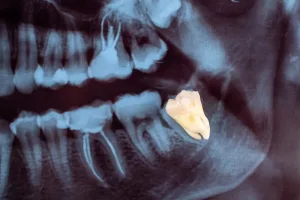
At SoCal Sleep Dentistry, we use dental exams and X-rays when needed to see how far decay has progressed. If the tooth needs repair, dental fillings can restore damaged areas and help protect the tooth from further breakdown.
Can You Get Rid of a Cavity on Your Own?
Early enamel weakening may be reversed before a hole forms, but a formed cavity usually needs dental treatment.
- White spots can sometimes remineralize with fluoride and better habits.
- A visible hole, pit, or soft spot will not rebuild itself.
- Pain, sensitivity, or food catching should be checked.
- A filling can repair tooth structure after decay is removed.
A dentist can tell which stage you are dealing with.
What Counts as a Reversible Cavity?
The reversible stage is usually early enamel demineralization. At this point, acid has weakened the enamel, but the tooth surface has not broken open. You may see a chalky white spot, or you may notice nothing at all.
Early Mineral Loss
Enamel is made of minerals. When acids sit on the teeth often enough, minerals are pulled out faster than the mouth can replace them. Fluoride helps the enamel take minerals back in, which can make the surface stronger again.
This early repair process is called remineralization. It is most likely to work before there is a hole, crack, or soft area in the tooth.
A True Hole in the Tooth
Once the enamel surface has collapsed, the tooth has lost structure. That is the point where home care cannot rebuild the missing part. The decay needs to be removed, and the space usually needs to be restored with a filling.
Can you reverse a cavity after the tooth has opened up? No home routine can replace the missing tooth structure. Treatment protects what remains.
Can You Reverse a Cavity Once It Has Formed?
Can you reverse a cavity once there is a visible hole? In most cases, no. A formed cavitymeans bacteria and acid have damaged the tooth beyond the early mineral-loss stage.
Why Brushing Cannot Fill a Hole
Brushing with fluoride toothpaste can lower future risk and support weakened enamel nearby. It cannot fill missing tooth structure. A toothbrush cleans the surface, but it cannot rebuild the shape of a damaged tooth.
A cavity can also collect food and bacteria. That makes it easier for decay to spread deeper into the tooth if it is left untreated.
Why Waiting Can Make Treatment Larger
A small cavity may be repaired with a simple filling. If decay spreads deeper, the tooth may need a larger restoration, a crown, root canal therapy, or extraction in severe cases.
Pain is a late warning for many people. A tooth can have decay before it hurts, so waiting for stronger symptoms can allow the problem to grow.
Can You Reverse a Small Cavity?
A small cavity needs to be defined before deciding what can happen next. If the “small cavity” is an early enamel lesion with no open hole, remineralization may be possible. If it is already a tiny hole, a filling may be the safer answer.
Small White Spots
White, chalky areas can be early signs of enamel mineral loss. These areas may improve with fluoride toothpaste, professional fluoride treatment, better cleaning, and less frequent sugar exposures.
A dentist can check whether the surface is still intact. If it is, your plan may focus on stopping progression and rebuilding mineral strength.
Small Holes or Pits
A tiny pit can look harmless, but it may trap plaque and food. Once the surface is broken, decay can move inward. A filling can seal the area after the damaged part is removed.
Small repairs often preserve more healthy tooth structure than delayed treatment.
How to Reverse a Cavity
Reversing early tooth decay focuses on remineralizing enamel before a cavity forms. The goal is to reduce acid attacks and help the tooth regain minerals.
Use Fluoride Every Day
Brush twice daily with fluoride toothpaste. Fluoride can strengthen enamel and help reverse early decay by replacing lost minerals. Some people at higher risk may need prescription fluoride toothpaste, varnish, or other professional support.
Do not rinse heavily with water right after brushing. Leaving a small amount of fluoride on the teeth can help it work longer.
Reduce Frequent Sugar Exposure
Cavity-causing bacteria feed on sugars and release acids. The frequency of sugar exposure can be as important as the amount. Sipping sweet drinks over hours or grazing on sticky snacks gives bacteria repeated chances to attack enamel.
Keeping sugary foods and drinks to mealtimes can reduce the number of acid attacks during the day.
Keep Plaque Under Control
Plaque holds bacteria against the teeth. Brushing and flossing help clear plaque from areas where decay often starts, including between teeth and along the gumline.
A professional cleaning can remove hardened tartar that home brushing cannot remove. Clean teeth also make it easier for your dentist to spot early changes.
Support Saliva
Saliva helps neutralize acid and carries minerals back to enamel. Dry mouth can raise cavity risk because the teeth lose that natural protection.
Water, sugar-free gum, and discussing dry mouth with your dentist can help if your mouth often feels dry. Some medications and medical conditions can reduce saliva, so mention dryness during your appointment.
When a Filling Becomes the Better Option
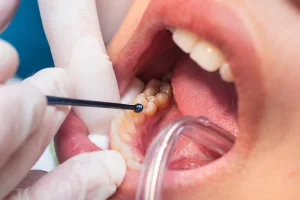
A filling is used when decay has damaged tooth structure. SoCal Sleep Dentistry’s dental filling process includes examining the affected area, numbing the tooth and nearby tissue, removing decay, cleaning the cavity, placing filling material, and adjusting the bite.
A Filling Removes Decay
The dentist removes the damaged part of the tooth before restoring the area. This stops the decayed portion from continuing to break down the tooth.
A Filling Restores Function
A filling rebuilds the damaged area so you can bite and chew more comfortably. It also helps close the space where food and bacteria could keep collecting.
A Filling Can Look Natural
Composite resin fillings can be matched to the shade of your tooth. The choice of filling material depends on the tooth location, the amount of decay, bite pressure, and your preferences.
Signs You Should Book a Dental Exam
A cavity may be small and still need care. Some signs are easy to ignore at first, but they can point to active decay.
Sensitivity to Cold or Sweets
Brief sensitivity can happen for several reasons. Sensitivity that keeps returning in the same tooth should be checked, especially if sweets, cold drinks, or brushing trigger it.
Food Catching in One Spot
Food that repeatedly catches in the same groove or between the same teeth may signal a rough edge, small hole, broken filling, or decay.
Dark Spots or Rough Areas
A brown or black spot can be a stain, but it can also be decay. A rough, sticky, or soft-feeling area should be examined.
Toothache or Pressure
Pain, throbbing, pressure, or discomfort when chewing may mean decay has moved deeper. Do not wait for the pain to become severe before booking care.
How SoCal Sleep Dentistry Helps With Cavities
A dental exam gives you a clearer answer than guessing at home. The dentist can look at the tooth, check the surface, and use X-rays when needed to see between teeth or under older dental work.
Diagnosis Before Treatment
The first step is finding out whether the tooth has early mineral loss, a formed cavity, a cracked filling, or another issue. The right plan depends on what the exam shows.
Comfortable Filling Care
If a filling is needed, the tooth and surrounding tissue are numbed before decay is removed. The filling material is placed, shaped, polished, and adjusted so your bite feels comfortable.
Prevention After Repair
After a filling, daily fluoride, good cleaning, and routine dental visits help protect the tooth. Fillings can last for many years, but they still need monitoring for wear, cracks, or leakage.
Protect the Tooth Before Decay Gets Deeper
Can you reverse a cavity? The answer depends on whether the tooth is in the early enamel stage or whether a hole has already formed. Early mineral loss may improve with fluoride and better habits. A formed cavity needs dental care to remove decay and restore the missing structure.
At SoCal Sleep Dentistry, we can check the tooth, explain what stage the decay has reached, and recommend care that fits your needs. Book an appointment with our team if you see a dark spot, feel sensitivity, or want to stop a small concern before it becomes a larger dental problem.
Frequently Asked Questions
Can you reverse a cavity?
Early enamel mineral loss can sometimes be reversed before a hole forms. A formed cavity usually needs a filling because missing tooth structure cannot grow back on its own.
Can you reverse a small cavity?
A small area of early enamel weakening may improve with fluoride and better habits. A small hole or pit usually needs dental treatment because the tooth surface has already broken.
Can brushing get rid of a cavity?
Brushing with fluoride toothpaste can help prevent decay and support early remineralization. It cannot rebuild a hole once tooth structure has been lost.
What happens if I ignore a cavity?
Decay can spread deeper into the tooth and cause sensitivity, pain, infection, or the need for more complex treatment. Early care can often keep treatment smaller.
Do fillings hurt?
The tooth and surrounding area are numbed before a filling, so the appointment should be comfortable for most patients. Some temporary sensitivity can happen afterward.