
A canker sore can make a small part of your mouth feel much bigger than it is. Eating can sting, brushing may feel awkward, and even talking can rub against the sore. Most canker sores heal on their own, but there are ways to make the wait more comfortable.
Knowing how to get rid of canker sores starts with knowing what they are. These small mouth ulcers often appear inside the lips or cheeks, under the tongue, or around the gums. They are not contagious, and they are different from cold sores.
At SoCal Sleep Dentistry, we can check sores that are very painful or keep coming back. We can also look at sores that do not heal as expected. This guide covers simple home care, common triggers, and ways to lower the chance of another sore.
How to Get Rid of Canker Sores Fast
Most minor canker sores heal within 1 to 2 weeks. These steps can make the area more comfortable while it heals:
- Rinse gently with warm salt water or a mild baking soda rinse.
- Avoid spicy, acidic, or crunchy foods that can sting the sore.
- Use a soft toothbrush and take care around the sore.
- Try an over-the-counter canker sore gel or paste for pain relief.
- Book a dental check if the sore is severe, keeps coming back, or takes longer than two weeks to heal.
The aim is to reduce pain and stop the area from getting more irritated while your mouth heals.
What Is a Canker Sore?
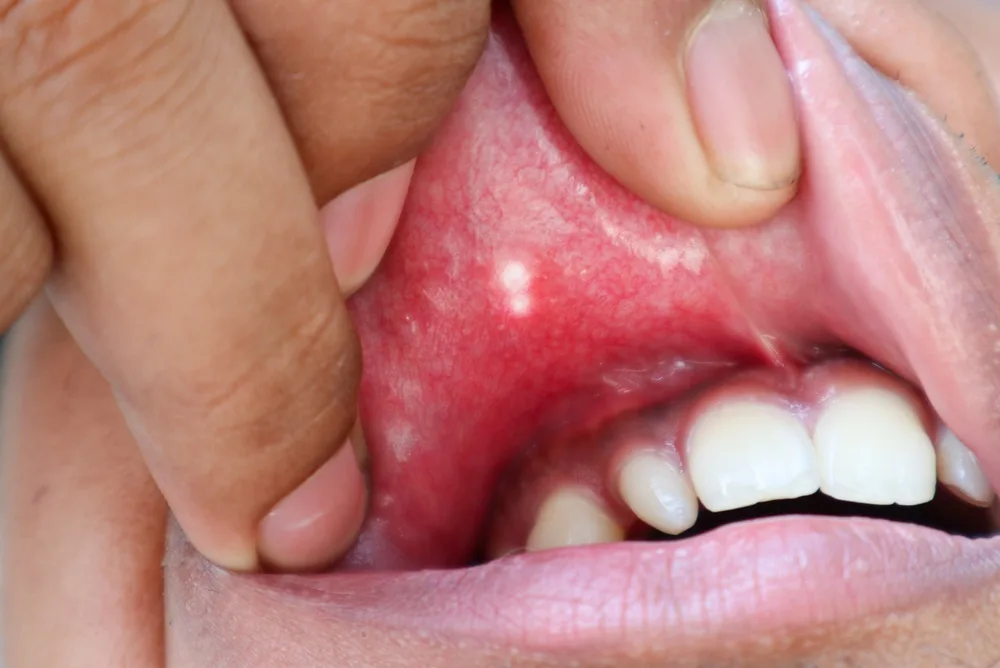
A canker sore is a small, painful ulcer inside the mouth. It often has a white or yellow center with a red edge. You may get one sore or several at the same time.
Canker sores can form on the inside of the lips and cheeks. They can also appear on or under the tongue and near the gums. They do not spread from person to person.
Cold sores are different. Cold sores are linked to the herpes simplex virus and often appear on or around the lips. A canker sore stays inside the mouth.
What Causes Canker Sores?
There is not one cause that explains every canker sore. A small injury can trigger one, such as biting your cheek or brushing too hard. Dental work, a sharp tooth, or an appliance that rubs the mouth can also play a part.
Stress can be a trigger for some people. Certain foods may make sores more likely too, especially acidic or spicy foods. Toothpaste that contains sodium lauryl sulfate, or SLS, can irritate some mouths.
Low levels of vitamin B12, folate, iron, or zinc can be linked with repeated sores. Some health conditions can also cause mouth ulcers, so frequent sores deserve a closer look.
How to Get Rid of Canker Sores at Home
There is no home treatment that makes every canker sore disappear overnight. Most care is about lowering pain and helping the area heal without more irritation.
Use a Saltwater Rinse
A warm saltwater rinse can soothe the mouth and keep the area clean. Mix about half a teaspoon of salt into 8 ounces of warm water. Swish it gently, then spit it out.
Do not scrub the sore or pack dry salt onto it. Direct salt can sting and may make an already sore area feel worse.
Try a Baking Soda Rinse
Baking soda mixed with warm water is another simple rinse. It may help calm irritation in the mouth. Use it gently and spit it out after rinsing.
You do not need a strong mixture. A mild rinse is enough.
Choose Softer Foods
Crunchy, spicy, salty, and acidic foods can rub or sting a canker sore. Citrus fruit, hot sauce, chips, and similar foods may feel painful until the area settles.
Choose softer foods for a few days if eating hurts. Cooler foods can feel more comfortable too.
Use an Over-the-Counter Product
Canker sore gels, pastes, and liquids can help reduce pain. Some products form a cover over the sore, while others contain a numbing ingredient.
Follow the label and stop if the product makes the area more irritated. If you are unsure which product fits your symptoms, ask us.
Do not try to pop, cut, or pick at the sore. This can make the area more painful and may slow healing. Keep the area as clean and undisturbed as you can.
Preventing Canker Sores
You may not be able to stop every canker sore. Some appear for no clear reason, but you can still lower common triggers.
Start by paying attention to patterns. If a sore follows a certain food, a cheek bite, or a stressful week, that pattern may give you a clue. Good mouth care also helps because rough brushing and sharp dental edges can irritate soft tissue.
Preventing Canker Sores Naturally
Keep your mouth care gentle. Use a soft toothbrush and avoid brushing hard enough to scrape the gums or cheeks. If SLS toothpaste seems to trigger sores, ask us about a toothpaste without that foaming ingredient.
A balanced diet can help if low nutrient levels are part of the problem. Stress control may help some people too. If sores keep coming back, a dental or medical check can look for a vitamin shortage or another health issue.
Preventing Canker Sores on Tongue
The tongue can be easy to bite, especially while eating fast or chewing hard foods. Slow down if you tend to catch the same area.
A rough tooth edge can also rub the tongue and cause repeated irritation. If a sore keeps forming in the same spot, we can check the nearby teeth and dental work. A sore that does not heal within about two weeks also needs a closer look.
When Should You See a Dentist for a Canker Sore?
Most minor sores settle without treatment. A sore that lasts longer than two weeks, becomes very large, or keeps returning should be checked.
Book a visit if pain makes eating or drinking hard. Fever, a skin rash, trouble swallowing, or several sores at once can also point to a wider health problem. In those cases, you may need medical care as well as a dental exam.
We can look at the sore and check for rubbing from a tooth, filling, denture, or other dental work. If the pattern suggests another cause, we can advise you on the next step.
How Are Severe Canker Sores Treated?
Home care is often enough for a small sore. Larger or very painful sores may need stronger treatment.
Prescription rinses can reduce pain and swelling in some cases. A steroid gel or another medicine may also be used for sores that do not heal well. If testing finds low vitamin or mineral levels, treatment may include a supplement.
The treatment depends on the cause. Repeated ulcers linked to another health condition need care for that condition too.
Can Canker Sores Come Back?
Yes. Some people get one canker sore and then go months or years without another. Others get them several times a year.
If yours keep returning, note where they appear and what was happening before they started. Food, stress, mouth injuries, or certain products may be part of the pattern.
Frequent sores can also be linked with low nutrient levels or health conditions. A check is useful if the pattern changes or the sores become harder to manage.
Book a Dental Check for a Canker Sore
Knowing how to get rid of canker sores can make the healing period easier. Gentle rinses, soft foods, and pain-relief products can help while a minor sore settles. Avoiding common triggers may also lower the chance of another sore.
AtSoCal Sleep Dentistry, we can check a sore that is very painful, keeps returning, or has not healed after two weeks. Book an appointment with us if you are worried about a mouth ulcer or want help finding out what may be causing it.
Book your next appointment.
Frequently Asked Questions
Which vitamin aids in preventing canker sores?
Low vitamin B12 is linked with repeated canker sores, but no single vitamin prevents them for everyone. Folate, vitamin B6, iron, and zinc can be involved too. If sores keep returning, talk with us or your doctor before starting supplements.
How to get rid of canker sores on tongue?
Use gentle mouth care and avoid foods that sting the area. A saltwater rinse or an over-the-counter canker sore product may help with pain. If a tongue sore lasts longer than two weeks or keeps returning in the same place, book a check.
Will putting salt on a canker sore help?
Putting dry salt directly on a canker sore can sting and irritate it. A warm saltwater rinse is a gentler option and may help soothe the mouth while the sore heals.
Are canker sores contagious?
No. Canker sores do not spread from one person to another. They are different from cold sores, which are linked to the herpes simplex virus.
How long do canker sores last?
Most minor canker sores heal within 1 to 2 weeks. If a sore lasts longer than two weeks, gets worse, or keeps returning, it should be checked.