
Wisdom teeth are easy to miss until a dentist mentions them on an X-ray or they begin pressing at the back of the mouth. Some people feel soreness as they come in. Some never notice them. Others are told they have none at all, which can make the whole topic feel confusing.
Does everyone have wisdom teeth? No. Many people develop four wisdom teeth, but some have fewer, and some never develop them. A person can also have wisdom teeth that stay under the gums or inside the jaw, which means they may not be visible even though they are present.
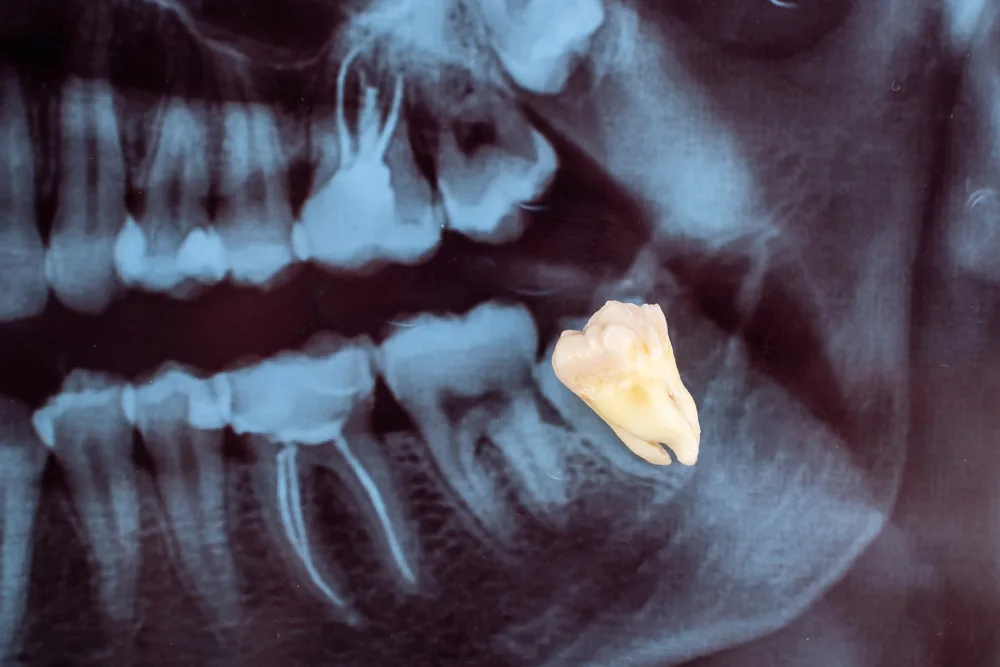
The only reliable way to know whether you have wisdom teeth is through dental imaging, since they can sit below the gums or inside the jaw. Wisdom teeth sit at the very back of the mouth and can be hard to see. AtSoCal Sleep Dentistry, dental exams and X-Rays help patients understand whether wisdom teeth are present, whether they have enough room, and whether they are causing problems that need treatment.
Does Everyone Have Wisdom Teeth?
No, not everyone has wisdom teeth. Many adults develop one to four wisdom teeth, but some people naturally have fewer, and some have none.
- Wisdom teeth are the third molars at the back of the mouth.
- They often come in during the late teens or early twenties.
- Some stay trapped under the gums or jawbone.
- Removal is considered when they cause problems or create a risk.
X-rays can confirm how many wisdom teeth you have and whether they need attention.
What Are Wisdom Teeth?
Wisdom teeth are third molars. They are the last molars to develop and sit behind the second molars at the very back of the mouth. They were more useful for earlier human diets, but modern jaws often have less room for them.
Why They Are Called Third Molars
Most adults have first molars and second molars for chewing. Wisdom teeth are the third set of molars. They are counted as part of the full adult set of 32 teeth when they are present.
Why You May Not See Them
A wisdom tooth can be present without being visible. It may still be developing, sitting below the gumline, partly covered by gum tissue, or trapped in the jaw. Dental imaging is the most reliable way to know what is happening.
Why Some People Have None
Some people never form wisdom teeth. This is a normal variation. Family patterns can play a role, so you may be more likely to lack wisdom teeth if close relatives never developed them.
Does Everyone Have 4 Wisdom Teeth?
No. Four wisdom teeth are common, but they are not guaranteed. Some people have all four. Others have one, two, or three. A smaller group has no wisdom teeth.
Missing Wisdom Teeth
A missing wisdom tooth usually means it never developed. A dentist may call this congenital absence. The main goal is knowing what is present so your dental team can monitor your mouth accurately.
Extra or Unusual Tooth Patterns
Some people may have unusual tooth patterns, including extra molars, though this is less common. X-rays help separate a missing tooth from one that is impacted or positioned where it cannot be seen.
Why Counting at Home Does Not Work
Looking at the back of your mouth may not show the full picture. A tooth can be partly erupted, hidden behind gum tissue, or angled under the surface. X-rays can show the roots, position, and relationship to nearby teeth.
When Do Wisdom Teeth Come In?
Wisdom teeth usually come in during the late teen years or early twenties. Some appear earlier, and some never erupt into the mouth. Timing can vary, so a person may still have developing wisdom teeth even if nothing is visible yet.
Common Eruption Window
Many wisdom teeth try to erupt between about ages 17 and 25. This is the stage when dentists often begin watching their position more closely.
Late or Partial Eruption
A wisdom tooth may come through part of the way and then stop. Gum tissue can remain over part of the tooth, making the area harder to clean. Food and bacteria can collect there, which may lead to soreness, swelling, or infection.
No Eruption
A wisdom tooth can stay fully under the gum and bone. It may cause no symptoms, or it may press against nearby structures. Regular exams help your dentist decide whether monitoring is enough.
Why Wisdom Teeth Can Cause Problems
Wisdom teeth cause trouble mainly when there is not enough room or when they come in at an angle. The back of the mouth is difficult to clean, so even partly erupted teeth can become vulnerable to decay and gum inflammation.
Crowding at the Back of the Mouth
A wisdom tooth may press into the second molar or sit at an angle. This can trap plaque and make the nearby tooth harder to clean.
Gum Inflammation
Partly erupted wisdom teeth can leave a flap of gum tissue over the tooth. Bacteria can collect under that tissue and cause swelling, tenderness, bad taste, or pain.
Tooth Decay
A wisdom tooth can develop cavities if it is difficult to reach with a toothbrush or floss. The tooth in front can also be affected if plaque collects between them.
Impaction
Impacted wisdom teeth are teeth that cannot fully erupt into the mouth. They may be blocked by another tooth, trapped under gum tissue, or held in the jawbone. Some impacted teeth cause no symptoms. Others can lead to pain, swelling, decay, gum problems, or infection.
Does Everyone Have to Get Their Wisdom Teeth Removed?
No. Wisdom teeth do not need removal simply because they exist. Healthy wisdom teeth that have fully erupted, fit well, and can be cleaned may be monitored during routine visits.
Removal may be recommended if a wisdom tooth is painful, infected, decayed, damaging a nearby tooth, or likely to create future problems. The decision should be based on your exam, X-rays, symptoms, age, oral health, and the position of the teeth.
When Monitoring May Be Enough
Monitoring may be reasonable when the wisdom teeth are healthy, not causing symptoms, and positioned in a way that allows cleaning. Your dentist can keep checking them during routine exams.
When Removal May Be Recommended
Removal may be discussed if there is infection, repeated gum swelling, decay, cyst formation, damage to the second molar, or ongoing pain. A tooth that is partly erupted and hard to clean may also need attention.
Why Timing Can Affect the Plan
Wisdom teeth can be easier to remove before roots are fully developed, but early removal is not automatic. The best timing depends on the tooth position and the reason for treatment.
How SoCal Sleep Dentistry Checks Wisdom Teeth
A wisdom tooth assessment starts with a conversation about symptoms and a clinical exam. The dentist checks the back of the mouth, gum tissue, bite, and surrounding teeth.
Dental X-Rays
X-rays show wisdom teeth that cannot be seen in the mouth. They help the dentist check how many are present, whether they are angled, how roots are forming, and whether nearby teeth are affected.
Comfort-Focused Planning
Some patients feel nervous about dental treatment, especially if extraction might be needed. SoCal Sleep Dentistry offers dental anesthesia services and can discuss comfort-focused options when care is planned.
Treatment or Monitoring
Your plan may involve monitoring, preventive advice, referral, or extraction depending on what the exam shows. The goal is to prevent avoidable pain and protect the nearby teeth.
Get a Clear Answer About Your Wisdom Teeth
Does everyone have wisdom teeth? No, and even people who do have them may not have the same number or the same eruption pattern. Some wisdom teeth come in normally. Some remain hidden. Some become impacted and need treatment.
At SoCal Sleep Dentistry, we can check whether wisdom teeth are present, review symptoms, and use imaging when needed to understand their position. Book an appointment with our team if you have soreness at the back of your mouth, swelling, jaw pressure, or questions about wisdom teeth.
Frequently Asked Questions
Does everyone have wisdom teeth?
No. Many people develop wisdom teeth, but some have fewer than four, and some never develop any. X-rays can confirm whether they are present.
Does everyone need wisdom teeth removed?
No. Wisdom teeth may stay in place if they are healthy, fully erupted, easy to clean, and not causing problems. Removal is considered when they cause pain, decay, infection, or other risks.
Do impacted wisdom teeth always hurt?
No. Impacted wisdom teeth can be painless for some people. They can still need monitoring because problems may develop later.
Can wisdom teeth grow back after removal?
No. Once a wisdom tooth is removed, it does not grow back. A person may still have other wisdom teeth that have not been removed.
What are signs wisdom teeth are coming in?
Signs can include soreness at the back of the mouth, swollen gums, jaw pressure, bad taste, trouble cleaning the area, or pain when chewing.