
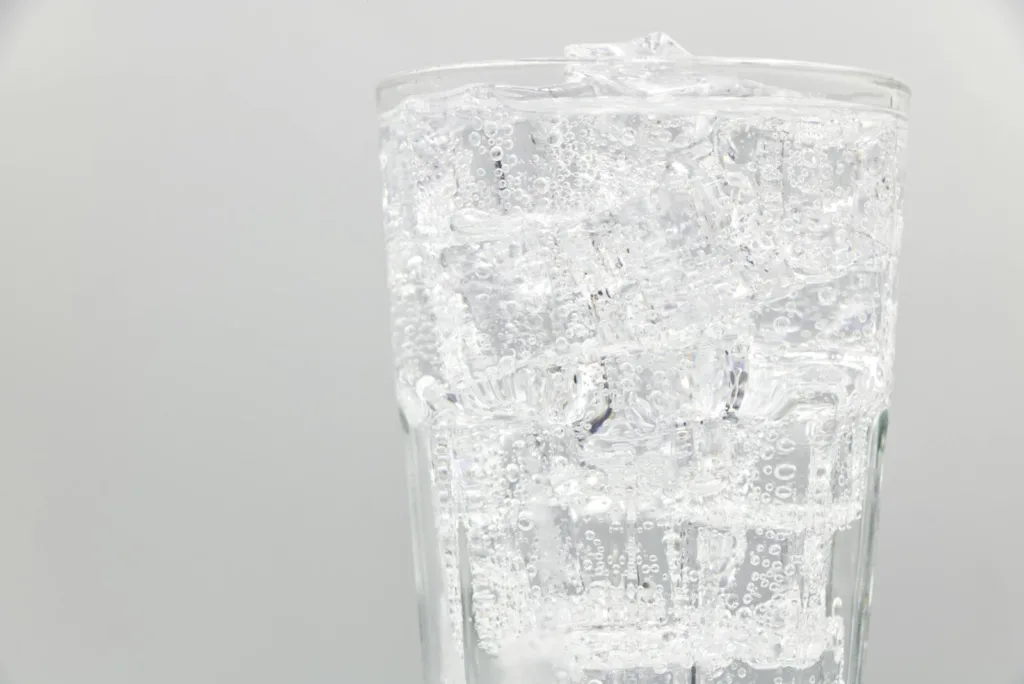
If you are one of the millions of people who have swapped sugary sodas for the refreshing fizz of carbonated water, you might find yourself wondering, is sparkling water bad for your teeth? It is a common question, especially as the popularity of these beverages continues to soar. While it is certainly a healthier choice than traditional soft drinks, the answer to whether it is entirely harmless to your smile is a bit more complex.
The concern primarily revolves around the carbonation process itself. When carbon dioxide gas is dissolved in water to create those delightful bubbles, it forms carbonic acid. This acid lowers the pH of the water, making it more acidic than regular tap or bottled water. Because tooth enamel (the hard, protective outer layer of your teeth) is vulnerable to acid erosion, frequent exposure to acidic beverages can potentially lead to dental issues over time.
So, how bad is sparkling water for your teeth? The reality is that not all sparkling waters are created equal, and how and when you drink them plays a significant role in their impact on your oral health. In this article, we will discuss the science behind carbonated water, the difference between plain and flavored varieties, and how you can enjoy your favorite bubbly water while keeping your smile strong and healthy with the help of SoCal Sleep Dentistry.
Carbonic Acid and Enamel
To understand why people ask, “Is carbonated water bad for you?” from a dental perspective, we need to look at the pH scale. The pH scale measures how acidic or alkaline a substance is, ranging from 0 (highly acidic) to 14 (highly alkaline), with 7 being neutral. Pure water has a neutral pH of 7.
When water is carbonated, the resulting carbonic acid typically drops the pH to somewhere between 3 and 4. Tooth enamel begins to demineralize, or break down, when it is exposed to an environment with a pH of 5.5 or lower. Therefore, the acidity of sparkling water is indeed strong enough to soften your enamel if consumed frequently or in large quantities.
However, it is important to put this into perspective. While carbonic acid is a weak acid, it is still an acid. The erosion it causes is generally slow and mild compared to the rapid destruction caused by the strong phosphoric and citric acids found in sodas. Your saliva also plays a crucial role in neutralizing this acid and remineralizing your teeth, which we will discuss later.
Plain vs. Flavored Sparkling Water
When evaluating the risks, a crucial distinction must be made between plain and flavored varieties. If you are asking, “Is plain sparkling water bad for your teeth?”, the answer is generally no, provided it is consumed in moderation. Plain carbonated water contains only water and carbon dioxide, making its erosive potential relatively low.
The story changes significantly when we look at flavored options. Is flavored sparkling water bad for your teeth? The answer leans much closer to yes. Many popular brands add citric acid or other fruit acids to enhance the flavor, particularly in citrus varieties like lemon, lime, and grapefruit.
Citric acid is highly erosive and significantly lowers the pH of the beverage, sometimes bringing it close to the acidity level of orange juice or even soda. The combination of carbonic acid and added citric acid creates a double threat to your enamel. If you frequently consume flavored sparkling water, you are at a much higher risk of experiencing enamel erosion, tooth sensitivity, and eventually, cavities.
How Saliva Protects Your Smile
Your body has a built-in defense mechanism against the acids found in food and drinks: saliva. Saliva is essential for maintaining oral health because it helps wash away food particles, neutralizes acids, and bathes your teeth in calcium and phosphate, which are necessary for remineralizing and strengthening the enamel.
When you drink a can of sparkling water, your saliva goes to work immediately to restore the pH balance in your mouth. However, this process takes time—usually about 20 to 30 minutes. If you sip on sparkling water continuously throughout the day, your saliva never gets the chance to catch up. Your mouth remains in a constant state of acidity, and the enamel does not have the opportunity to remineralize.
This is why the manner in which you consume bubbly water is just as important as what you are drinking. Drinking it quickly or alongside a meal is much safer for your teeth than sipping it slowly over several hours.
The Dangers of Enamel Erosion
Why is it so important to protect your enamel from the acids in sparkling water? Enamel is the hardest substance in the human body, but it is not invincible. Once enamel is worn away by acid erosion, it cannot grow back. The body does not regenerate enamel, meaning any loss is permanent.
As the enamel thins, the underlying layer of the tooth, called dentin, becomes exposed. Dentin is softer, more porous, and naturally yellow in color. When dentin is exposed, your teeth may appear yellow or discolored, and you will likely experience significant tooth sensitivity. Hot, cold, sweet, or acidic foods and drinks can cause sharp, sudden pain.
Furthermore, weakened enamel makes your teeth much more susceptible to decay. Bacteria can easily penetrate the softened surface, leading to cavities that require professional dental fillings. Preventing enamel erosion is the most effective way to avoid these painful and costly dental issues.
Tips for Enjoying Sparkling Water Safely
You do not have to give up your favorite carbonated beverages entirely to protect your smile. By following a few simple guidelines, you can enjoy sparkling water while minimizing the risk to your teeth:
- Drink it with meals. Chewing food stimulates saliva production, which helps neutralize the acid from the sparkling water more quickly. The food also acts as a buffer, reducing the direct contact between the acid and your teeth.
- Do not sip it all day. If you are going to drink sparkling water, it is better to consume it in one sitting rather than sipping it slowly over several hours. This gives your saliva the time it needs to restore a neutral pH in your mouth.
- Rinse with plain water afterward. Swishing plain, uncarbonated water around your mouth after finishing a sparkling beverage helps wash away the residual acid and speeds up the neutralization process.
- Wait at least 30 minutes before brushing your teeth. Brushing immediately after consuming an acidic drink can cause more harm, as the bristles can scrub away the temporarily softened enamel.
Schedule Your Next Teeth Cleaning Today
If you are a frequent consumer of sparkling water and want to maintain your smile’s strength and health, the team at SoCal Sleep Dentistry is here to help. We provide gentle teeth cleaning services designed to protect your enamel and prevent decay. Our experienced professionals will evaluate your oral health, discuss your dietary habits, and offer tailored recommendations to keep your teeth looking and feeling their best.
Do not wait until you experience sensitivity or pain; contact us today to schedule your next appointment and take proactive steps toward a lifetime of healthy smiles.
Frequently Asked Questions
Is sparkling water bad for your teeth compared to soda?
No, sparkling water is significantly better for your teeth than soda. Sodas contain high levels of sugar and much stronger acids (like phosphoric acid), which cause rapid and severe enamel erosion and decay.
Why is sparkling water bad for your teeth if it has no sugar?
The issue is not sugar, but the carbonic acid created during the carbonation process. This acid lowers the pH of the water, which can slowly soften and erode tooth enamel over time if consumed excessively.
Is plain sparkling water bad for your teeth if I drink it every day?
Drinking plain sparkling water daily is generally safe for most people, provided you drink it with meals and maintain good oral hygiene. However, sipping it continuously throughout the day increases the risk of erosion.
How bad is sparkling water for your teeth if it is flavored?
Flavored sparkling waters are worse for your teeth than plain varieties because they often contain added citric acid for flavor. This significantly increases the acidity and the potential for enamel erosion.
Is carbonated water bad for you overall?
From a general health perspective, plain carbonated water is a healthy, hydrating choice that is just as hydrating as still water. The primary concern is solely related to its potential impact on dental enamel.
Is sparkling mineral water bad for your teeth?
Generally, this is one of the safest carbonated options available. Mineral waters naturally contain dissolved minerals like calcium, magnesium, and bicarbonate, which can help buffer the acidity of the carbonation.