
Gum problems can feel easy to dismiss. A little bleeding after flossing, tenderness near one tooth, or slightly puffy gums may not seem urgent at first. The challenge is that gum disease can move quietly. By the time symptoms feel obvious, plaque and tartar may already be affecting the tissues that support the teeth.
Early periodontitis is the stage at which gum disease has progressed beyond simple surface irritation. Gingivitis is the earliest stage and can often be reversed with professional cleaning and better daily care. True periodontitis is different because it can involve deeper gum pockets and early damage to supporting tissues. That damage cannot always be undone, but early treatment can control infection, reduce inflammation, and help prevent the condition from worsening.
At SoCal Sleep Dentistry in Westlake Village, teeth cleaning and preventive dental visits help patients stay ahead of plaque, tartar, gum inflammation, and cavities. If your gums bleed, feel tender, or look different, a dental exam can help determine whether you have gingivitis, early-stage periodontitis, or another concern.
Early Periodontitis and Reversal
Early periodontitis may improve with prompt treatment, but the term ‘reversed’ needs to be used with care. Gum inflammation from gingivitis can often resolve. Early-stage periodontitis can usually be managed and stabilized, especially when it is caught before serious bone loss or loose teeth develop.
Here is the clearest way to think about it.
| What it means | Can it be reversed? | |
| Healthy gums | Firm gums with no bleeding or deep pockets | Maintain with home care and cleanings |
| Gingivitis | Red, swollen, or bleeding gums without bone loss | Often reversible with cleaning and daily care |
| Early periodontitis | Gum pockets and early support-tissue damage | Damage may not fully reverse, but it can often be controlled |
| Advanced periodontitis | Deeper pockets, bone loss, loose teeth, infection risk | Needs more involved periodontal care |
Early care gives gum support a better chance.
What Does Early Periodontitis Look Like?
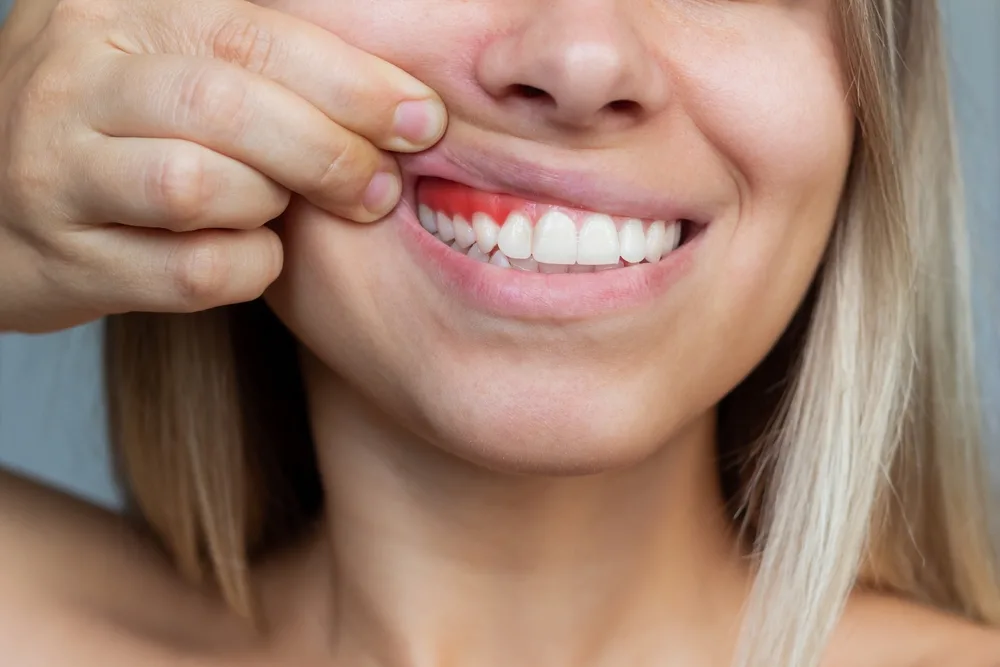
What does early periodontitis look like? It may look like red, swollen, or tender gums. The gums may bleed during brushing, flossing, or eating firm foods. You may notice gum recession, persistent bad breath, mild tooth sensitivity, or food-trapping spaces more often than before.
Some signs are hard to see at home. Gum pockets form where the gum pulls away from the tooth. A dentist or hygienist measures those pockets with a small periodontal probe. X-rays may also be used to check whether bone support has changed.
Early periodontitis can be easy to miss because pain is not always present. Bleeding is one of the most common early signals, but some people have gum disease with very little discomfort.
Gingivitis Versus Early Stage Periodontitis
Gingivitis affects the gums without permanent loss of tooth support. The gums may look red, swollen, or bleed easily, but the deeper supporting bone has not been damaged. With professional cleaning and better daily brushing and flossing, gingivitis can often heal.
Early-stage periodontitis means inflammation has moved deeper. Plaque and tartar may sit below the gumline, and pockets can form between the teeth and gums. This gives bacteria more space to collect.
The difference matters because treatment goals change. Gingivitis care focuses on reversing inflammation. Treatment of early periodontitis usually focuses on controlling infection, cleaning below the gumline, reducing pocket depth where possible, and preventing further loss of support.
Why Professional Teeth Cleaning Matters
Plaque is sticky and can be removed with daily brushing and flossing. Tartar is hardened plaque that cannot be brushed away at home. Once tartar forms around the gumline or below it, professional cleaning is needed.
Routine teeth cleaning helps remove plaque, tartar, and surface buildup before inflammation gets worse. Your dental team can also check for areas you may be missing at home.
At SoCal Sleep Dentistry, regular exams and cleanings are part of a broader approach to dental health in Westlake Village. Preventive visits can support healthier gums and help identify problems before they become painful or costly.
How to Reverse Early Periodontitis Safely
How to reverse early periodontitis is a common question, but the safer goal is to control it early. If the issue is still gingivitis, gum health may return with a dental cleaning and improved home care. If true periodontitis is present, treatment can help stop further breakdown and may improve gum inflammation.
Start With a Gum Evaluation
A dentist or hygienist can measure gum pockets, check bleeding points, review X-rays, and look for tartar below the gumline. This separates gingivitis from periodontitis and helps guide treatment.
Remove Plaque and Tartar
Professional cleaning removes buildup that home care cannot reach. If pockets are deeper, scaling and root planing may be recommended to clean below the gumline and smooth root surfaces.
Strengthen Daily Care
Brushing twice daily, cleaning between teeth, using the right technique, and keeping routine visits can help reduce bacterial buildup. Your dental team may recommend floss, interdental brushes, a water flosser, or other tools based on your mouth.
How to Treat Early Periodontitis
How to treat early periodontitis can vary based on pocket depth, bleeding, tartar levels, medical history, and bone support. A standard cleaning may be enough for mild gum inflammation, but periodontitis may need periodontal cleaning.
Scaling and root planing is a common nonsurgical treatment for periodontitis. It removes plaque and tartar from below the gumline and helps the tooth roots become cleaner surfaces for gum healing. Some cases may require antimicrobial treatment, more frequent maintenance visits, or referral to a periodontist.
Treatment does not end after one visit. Early periodontitis can recur if plaque and tartar build up again. Periodontal maintenance visits may be recommended more often than routine six-month cleanings.
Daily Habits That Help Your Gums Recover
Home care plays a major role after dental treatment. Brush gently along the gumline with a soft-bristled toothbrush. Clean between teeth once daily. If your gums bleed, do not stop cleaning the area unless your dentist tells you to pause. Bleeding often means inflammation is present.
Tobacco can make gum treatment less successful, so stopping smoking or vaping can support better gum health. Diabetes, dry mouth, certain medications, grinding, and crooked teeth can also increase the risk of gum disease. Mention any medical changes at dental visits to keep your care plan accurate.
Diet also matters. Frequent sugary snacks and drinks can feed plaque bacteria. Water, balanced meals, and steady dental care support a healthier mouth.
When Bleeding Gums Need an Appointment
Bleeding gums are common, but they are not something to ignore. Occasional irritation can occur after missing a flossing routine, but regular bleeding suggests inflammation.
Book a dental visit if your gums bleed often, feel swollen, look red, pull away from the teeth, or stay sore. Persistent bad breath, loose teeth, gum recession, pus, or pain when chewing should be checked quickly.
The earlier a gum issue is diagnosed, the more treatment options you may have. Waiting can allow tartar to move deeper below the gumline.
Can Early Periodontitis Come Back?
Early periodontitis can improve, but it needs ongoing maintenance. Gum pockets can become active again if plaque returns, tartar builds up, or health factors change. This is why many patients with periodontal disease need a different cleaning schedule than patients with healthy gums.
A maintenance plan may include more frequent cleanings, pocket checks, changes in home care, and monitoring of risk factors. The goal is to keep gums stable and protect the bone that supports the teeth.
If you were told that early periodontitis can be reversed, ask what stage you are at and whether any bone loss is present. Clear staging helps you understand what can heal, what must be managed, and what care schedule makes sense.
Protect Your Gums Before Damage Progresses
Early periodontitis needs attention because it sits at a critical point. The earlier gum disease is detected, the easier it may be to reduce inflammation, clean below the gumline, and protect the supporting structures around your teeth. Acting early gives your gums the strongest chance of becoming calmer, cleaner, and more stable.
SoCal Sleep Dentistry in Westlake Village provides teeth cleaning, exams, and comprehensive dental care to help patients manage plaque, tartar, gum inflammation, and oral health concerns with comfort in mind.
Book a teeth cleaning appointment at SoCal Sleep Dentistry today if your gums bleed, feel tender, look swollen, or you want a clearer plan for protecting your gum health.
Frequently Asked Questions
Can early periodontitis be reversed?
Gingivitis is often reversible, but true early periodontitis may not fully reverse if supporting tissue or bone has been damaged. It can often be controlled with treatment.
What does early periodontitis look like?
Early periodontitis may look like red, swollen, bleeding, or receding gums. Bad breath, sensitivity, and food trapping can also appear.
How to reverse early periodontitis?
Start with a dental exam and professional cleaning. If true periodontitis is present, treatment focuses on controlling infection and preventing more damage.
How to treat early periodontitis?
Treatment may include scaling and root planing, improved home care, risk-factor control, and more frequent periodontal maintenance visits.
What is periodontitis early stage disease?
An early-stage periodontitis disease means gum inflammation has progressed deeper and may involve pockets, early attachment loss, or early bone support changes.
Can teeth cleaning help early periodontitis?
Yes. Professional cleaning removes plaque and tartar that home brushing cannot remove. Deeper periodontal cleaning may be needed for early periodontitis.
When should I schedule a gum check?
Schedule a gum check if bleeding, swelling, gum recession, bad breath, sensitivity, or chewing discomfort continues beyond a few days.