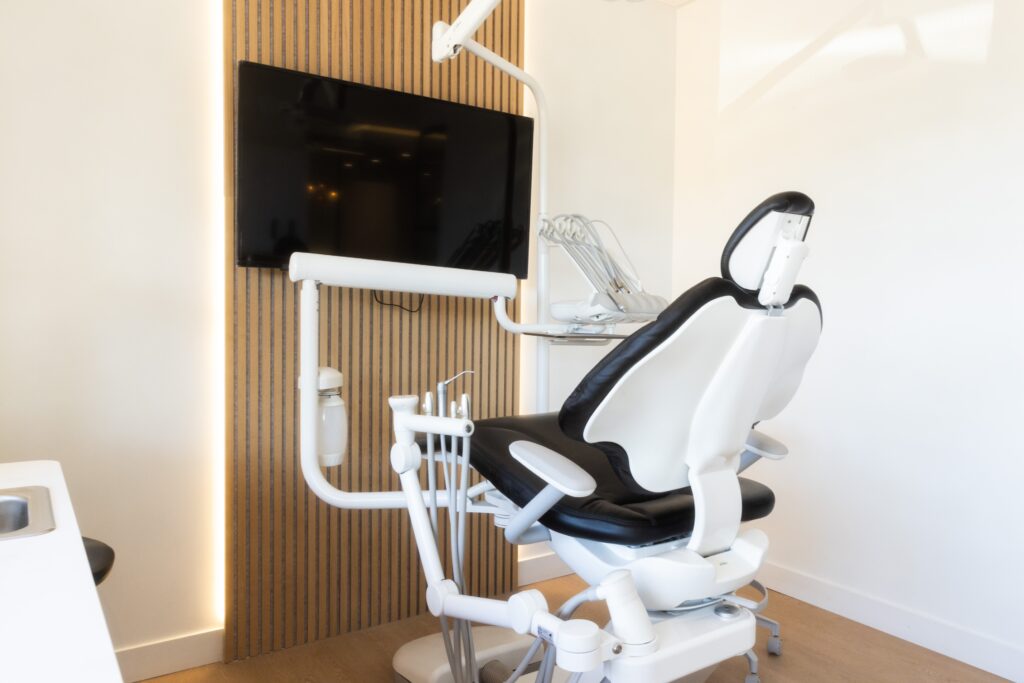


At SoCal Sleep Dentistry in Thousand Oaks, we understand that tooth extractions can feel overwhelming for many patients. Whether you need an extraction due to decay, infection, trauma, or preparation for future treatment, our team works to make every step as smooth and comfortable as possible. We also provide bone grafting services when additional jaw support is needed for implants or long-term oral stability. Each treatment is performed with precision and care, allowing you to feel confident in your dental experience.
Read on to learn more about tooth extractions, bone grafting, and the comprehensive care offered at our Thousand Oaks office.
What Are Tooth Extractions and Bone Grafts?
Tooth Extractions
A tooth extraction is a dental procedure in which a tooth is carefully removed from the jaw. Extractions may be necessary when a tooth is too damaged to repair, is causing pain, or is obstructing proper alignment. Depending on the condition of the tooth, the extraction may be simple or surgical, but both options are performed with patient comfort and safety in mind.
Bone Grafts
A bone graft adds bone material to a weakened or thin section of the jaw. This is most commonly needed when teeth have been missing for a long period or when bone loss has occurred due to periodontal disease. Bone grafting helps rebuild strength and density, ensuring a stable foundation for future implants and improving long-term oral health.
Why You Might Need an Extraction and Bone Graft
There are several reasons why a dentist may recommend both a tooth extraction and a bone graft:
Severe Tooth Decay
When decay reaches deep into the tooth, damaging the structure beyond what a filling or crown can repair, extraction may be the safest option. If the surrounding bone has weakened due to chronic infection, a bone graft may be recommended to restore stability.
Impacted Teeth
Teeth that are trapped beneath the gums or bone can cause discomfort, crowding, or misalignment. Removing the tooth and placing bone graft material helps protect the jaw from future complications.
Future Dental Implants
Dental implants require strong, healthy bone to anchor properly. If bone loss has occurred, a graft helps rebuild the area so implants can be placed securely.
Infection
When a tooth becomes infected and cannot be saved, removing it helps prevent the spread of bacteria. Bone grafting may be performed to repair the area after infection-related bone loss.
Orthodontic Treatment
In some cases, teeth must be removed to achieve proper alignment. A bone graft may be used to maintain jaw structure after extraction.
The Extraction and Bone Graft Procedure
Tooth extractions and bone grafts at SoCal Sleep Dentistry follow a structured, patient-centered approach. Here’s what you can expect during treatment at our Thousand Oaks office:
Initial Examination
Your dentist will begin with a full evaluation of the affected tooth and surrounding structures. X-rays and clinical exams allow us to determine the type of extraction needed and whether bone grafting is required. This step also helps us plan treatment to ensure predictable, comfortable outcomes.
Local Anesthesia
To ensure a pain-free experience, local anesthesia is administered to numb the area. For patients with anxiety, difficulty remaining still, or heightened sensitivity, sedation options are available upon request.
Tooth Extraction
The tooth is gently loosened and removed from its socket. For impacted or severely damaged teeth, a surgical extraction may be needed to access the tooth more effectively.
Bone Graft Placement
If a bone graft is part of your treatment, the graft material is placed into the empty socket immediately after extraction. The graft supports bone regeneration and preserves the natural structure of your jaw.
Closing the Site
Depending on the procedure, sutures may be placed to secure the area. A gauze pad is positioned to help control bleeding.
Recovery and Healing
You will receive detailed aftercare instructions to help support a smooth and successful healing process. Most patients experience gradual improvement over several days, with full bone integration taking several months.
Extraction and Bone Graft Aftercare
Proper care after your procedure ensures healthy healing and reduces the risk of complications. Patients are encouraged to follow these guidelines:
- Wait until all numbness has worn off before eating.
- Keep gentle pressure on the gauze for 30–60 minutes.
- Avoid touching the extraction site with your fingers or tongue.
- Use cold compresses for the first 24 hours, then switch to warm compresses.
- Rest with your head slightly elevated to reduce swelling.
- Choose soft foods and avoid crunchy or chewy options.
- Do not use straws, as suction may dislodge the blood clot.
- Maintain oral hygiene carefully while avoiding the surgical area.
- Avoid smoking or vaping during recovery.
- Complete all prescribed medications as directed.
- Attend your scheduled follow-up visit to monitor healing.
Consistent aftercare supports quick recovery and reduces the chance of irritation or infection.
Why Choose SoCal Sleep Dentistry for Your Extraction and Bone Graft?
Patients choose SoCal Sleep Dentistry in Thousand Oaks because our team combines precision, compassion, and advanced dental techniques.
Expertise
Our dentists use modern diagnostic tools, thoughtful planning, and the latest treatment methods to ensure your extraction or bone graft is performed safely and effectively.
Comfort
A calm environment and gentle approach help patients feel at ease throughout the process. Our team works carefully to reduce discomfort and support a smooth recovery.
Personalized Care
Each treatment plan is tailored to your specific condition, long-term goals, and medical background. We take the time to explain your options so you feel informed and supported.
Anesthesia Options Available for Your Visit
Dental procedures can feel challenging for many patients, especially when extractions or grafts are involved. To make your visit as comfortable as possible, we offer several anesthesia options tailored to your needs:
- Nitrous Oxide: Provides mild relaxation during treatment.
- Moderate Sedation: Offers deeper calmness while keeping patients responsive.
- Deep Sedation: Allows a deeper level of relaxation for longer or more complex procedures.
- General Anesthesia: Used when full unconsciousness is necessary for comfort or safety.
Before recommending the appropriate level of anesthesia, our team reviews your medical history, current medications, and personal preferences. Our goal is to help you receive the care you need without unnecessary stress or discomfort.
Book Your Extraction and Bone Graft Appointment in Thousand Oaks, CA
At SoCal Sleep Dentistry, we provide careful and effective treatment for patients who need extractions and bone grafting. Whether your goal is to relieve pain, resolve an infection, or prepare for future teeth replacement, our Thousand Oaks team is here to support your oral health every step of the way.
Contact us to schedule your visit and learn more about how we can help you restore a healthy, strong, and stable smile.
Tooth Extractions and Bone Grafts FAQs
Is the extraction procedure painful?
Extractions are performed with local anesthesia so the area stays numb, allowing you to feel pressure but not sharp pain. Mild soreness afterward is common and usually improves with recommended medication and cold compresses during the first day.
How long does healing take after an extraction and bone graft?
Gum tissue typically begins healing within a few days, and tenderness generally improves within a week. The bone graft takes longer to integrate, often requiring several months for full stabilization.
Can I brush my teeth after the procedure?
You should avoid brushing directly over the extraction site for the first few days, but the rest of your mouth can be cleaned gently. A soft toothbrush and warm saltwater rinses after the first 24 hours help maintain cleanliness without disturbing healing.
What happens if stitches come out early?
If sutures loosen or fall out within 48 hours, contact our office. Dissolvable stitches often shift naturally, but an evaluation ensures the area is healing correctly.
Will insurance cover an extraction and bone graft?
Coverage varies by plan. Our team will review your benefits and provide cost estimates before scheduling treatment.
Can I drive after my appointment?
You may drive yourself if only local anesthesia is used. If you receive sedation, you will need someone to drive you home and stay with you during early recovery.
What should I avoid after an extraction and bone graft?
Avoid smoking, drinking through straws, and vigorous rinsing to protect the healing clot. Stick to soft foods until the area becomes more comfortable.
How do I manage swelling after the procedure?
Cold compresses during the first 48 hours help reduce swelling. Keeping your head elevated also minimizes discomfort.
When can I return to normal eating?
Once numbness fades, begin with soft foods and avoid chewing on the treated side. Introduce firmer foods gradually.
Is a bone graft always required after an extraction?
Not always. Bone grafts are recommended when extra support is needed or when planning for a future implant. Your dentist will review your X-rays to determine whether it is beneficial.