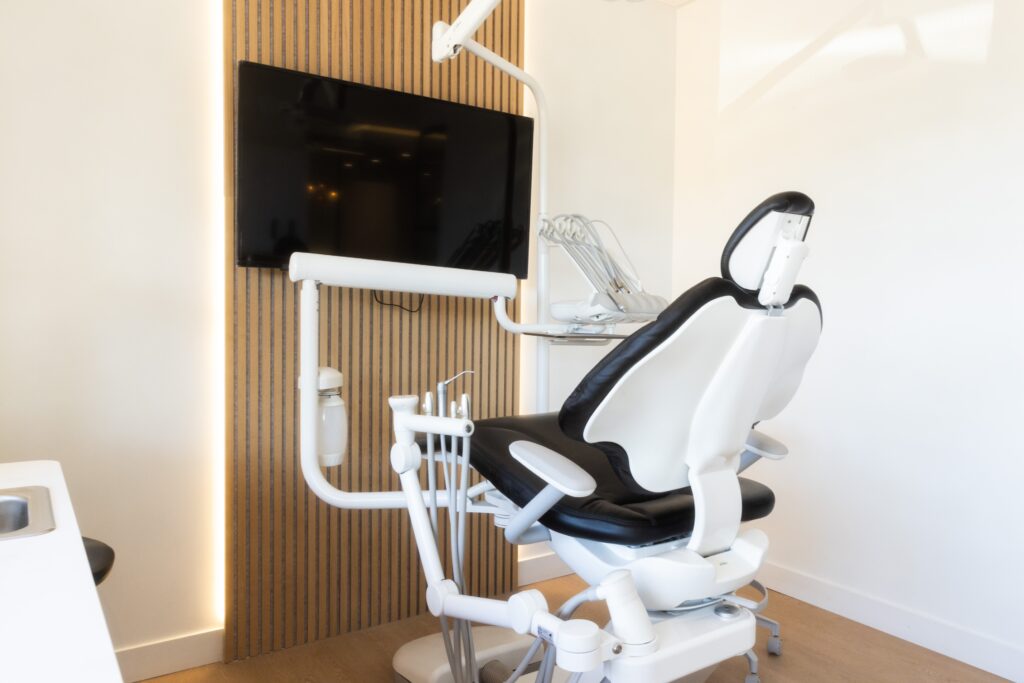


At SoCal Sleep Dentistry in Thousand Oaks, we understand that many patients need a dental environment built around comfort and predictability. Special needs patients may experience sensory sensitivities, communication challenges, anxiety, or physical limitations that make standard dental settings overwhelming. Our team provides a supportive space with in-house anesthesiology, adaptive techniques, and accessible office design so every patient can receive care safely and comfortably.
Read on to learn how our Thousand Oaks practice supports patients with a wide range of medical, developmental, and physical needs.
What Is Special Needs Dentistry?
Special needs dentistry provides dental care for individuals with physical, developmental, intellectual, behavioral, or medical conditions. It focuses on delivering safe, respectful treatment tailored to each patient’s abilities and sensitivities. Many families struggle to find dentists with the training, equipment, or experience needed to treat their loved ones comfortably, which creates significant gaps in care.
At SoCal Sleep Dentistry in Thousand Oaks, we understand that traditional dental settings often aren’t equipped for patients who need additional support. Some may require sedation to manage anxiety, communication barriers, or movement disorders, while others benefit from sensory-friendly environments, quiet tools, and modified lighting. By combining general dentistry with in-house anesthesiology, we create a predictable, accessible setting that promotes comfort for both children and adults.
We also use technology such as laser dentistry to minimize noise, vibration, and pressure. These quieter tools help reduce overstimulation for sensory-sensitive patients and lessen the need for complex positioning, making treatment more comfortable for those with physical disabilities. Our goal is to provide a dependable dental home where patients of all abilities can receive care in a calm, supportive, and secure environment.
Why Special Needs Dentistry Requires a Unique Approach
Dental visits can feel overwhelming for many people, but for special needs patients, typical dental environments can present much larger obstacles. Sensory sensitivities, communication differences, movement limitations, and medical conditions all influence how a patient experiences care.
Because of this, special needs dentistry must follow a different structure—one rooted in careful planning, adapted environments, and flexible treatment methods.
Challenges in Traditional Dental Settings for Special Needs Patients
The standard dental model is often not suited to individuals with intellectual or developmental disabilities. Many providers lack specialized training in behavior management, communication techniques, or accommodations needed for safe treatment. As a result, patients may face significant barriers to routine dental care.
National data highlights these challenges:
- 19.4% of children in the U.S. have special healthcare needs.
- 28.6% of households have at least one child with such needs.
- Many dentists report feeling unprepared to care for these patients.
- Up to 95% of children with autism have sensory processing differences that affect their dental experience.
- Parents of children with autism report 60% moderate-to-severe difficulty during routine cleanings.
- Conversely, only 13% of parents of neurotypical children report the same level of difficulty.
- Around 48% of individuals with disabilities miss dental check-ups for more than a year.
These statistics reflect real challenges that occur every day in dental offices:
- Bright overhead lights may be too intense for patients with visual sensitivities.
- High-frequency sounds from dental tools can trigger distress.
- Unexpected touches or unfamiliar sensations can cause fear or resistance.
- Limited transfer support or non-ADA-compliant facilities make physical care difficult.
- Communication barriers make it hard for patients to understand or express their needs.
These obstacles often discourage patients and families from seeking routine care, leading to avoidable dental problems and unnecessary discomfort.
Importance of Sensory-Friendly and Predictable Environments
Research supports what many families already know: sensory-adapted dental environments help patients cooperate more easily and feel significantly less anxious. These environments lower stress by adjusting lighting, sound, tactile input, and visual stimulation. When done correctly, patients feel safer and more in control.
Effective sensory-friendly adaptations may include:
- Adjustable lighting that avoids bright fluorescent bulbs
- Quieter equipment that reduces the vibration and noise associated with drills
- Weighted blankets or wraps that offer calming pressure
- Visual tools that show patients what will happen next
- Reduced background noise or music to a comfortable volume
- A calm, uncluttered treatment space with minimal distractions
Predictability is just as important as sensory comfort. Many special needs patients rely heavily on routines, clear expectations, and gradual transitions. Unplanned changes or rushed instructions can cause stress that makes treatment difficult. That is why SoCal Sleep Dentistry designs every step—waiting room experience, communication, treatment flow—to be predictable and soothing.
Special needs dentistry cannot follow a “one-size-fits-all” model. Treatment environments, appointment structures, and care techniques must adapt to each patient, not the other way around. This philosophy forms the foundation of our Thousand Oaks special needs dental care.
How SoCal Sleep Dentistry Supports Special Needs Patients
Our approach begins with the understanding that every patient is unique. We take the time to learn about individual preferences, triggers, communication styles, and behavioral needs. This allows us to customize each visit to create a safe, calm, and successful experience.
General Dentistry Combined with In-House Anesthesiology
One of the biggest advantages of receiving care at SoCal Sleep Dentistry is the seamless integration of general dental services with anesthesiology. Many special needs patients require sedation due to sensory sensitivities, physical challenges, anxiety, or medical conditions. In a typical dental office, families may need to travel between multiple locations to receive the appropriate level of sedation. Our Thousand Oaks office eliminates this complication.
We provide access to several sedation options, including:
- Nitrous oxide
- Oral sedation
- IV sedation
- Deep sedation
- General anesthesia
This range of choices allows us to match the sedation level to the patient’s specific needs. Whether a patient needs mild relaxation or full unconsciousness during treatment, our in-house anesthesiology team ensures that care is safe and coordinated from start to finish. This model also reduces the stress of moving between facilities and keeps treatment in one familiar environment.
Wheelchair-Accessible Dental Office Design
Physical accessibility is a critical part of special needs dentistry. Many dental practices unintentionally create barriers for patients with mobility limitations by lacking proper pathways, equipment, or space for support devices. Our Thousand Oaks office is designed to remove those obstacles.
Accessibility features include:
- Convenient parking close to the main entrance
- A step-free, ADA-compliant entryway
- Wide doorways and hallways that accommodate wheelchairs and mobility aids
- Treatment chairs that adjust in height to assist safe transfers
- ADA-compliant restrooms equipped with handrails and appropriate clearance
These elements ensure that patients with mobility challenges can receive dental care comfortably and safely without feeling stressed or limited by the environment.
Trained Staff for Autism and Developmental Disabilities
About 15% of the U.S. population lives with a disability that affects daily functioning. Many of these individuals struggle to find dental teams who feel confident treating them. At SoCal Sleep Dentistry in Thousand Oaks, we have dedicated training and experience to care for patients with autism spectrum disorder, developmental delays, and a wide range of neurodivergent conditions.
Our team uses a patient-first approach that begins long before anyone sits in a dental chair. We build familiarity and trust through pre-visit consultations, where caregivers can share medical histories, behavioral strategies, sensory triggers, communication preferences, and past dental experiences. Understanding these factors helps us create a roadmap for a smoother, more predictable appointment.
During visits, we avoid sudden bright lights, loud announcements, or strong scents. Our scheduling options are flexible and allow us to extend appointment times so no one feels rushed. These accommodations reduce stress and help us create a calm environment where patients can relax. Over the years, our adapted methods have supported many patients who previously struggled to receive care in traditional dental offices.
Our commitment is ongoing—making dentistry accessible for every patient who walks through our doors.
Sensory-Friendly and Sedation Options Available
For many special needs patients, comfort depends on both the physical environment and the level of sedation offered. At SoCal Sleep Dentistry in Thousand Oaks, our facility is designed to reduce sensory overload, while our team matches each patient to the safest and most appropriate sedation method.
Noise-Free Equipment and Low-Light Rooms
Dental offices can be overwhelming for individuals sensitive to noise, bright lights, or unexpected sensations. Research consistently shows that modifying the environment can significantly reduce stress and improve patient cooperation.
To create a sensory-friendly experience, we incorporate:
- Dimmed lighting or adjustable lamps instead of harsh overhead bulbs
- Soft room lighting with calming ceiling visuals, which help redirect focus
- Low-vibration, quieter dental tools to minimize disruptive sensations
- Noise-canceling headphones that block drilling sounds
- Weighted blankets to provide soothing pressure during treatment
- Tinted dental sunglasses to reduce light intensity
These adjustments support patients experiencing sensory overload by lowering the body’s natural fight-or-flight response. Our goal is to create a space where patients feel safe, grounded, and comfortable throughout their visit.
General Anesthesia for Special Needs Patients
For some individuals, general anesthesia is the most effective way to receive dental care safely. Nearly half of all special needs patients (around 45%) require general anesthesia due to physical, behavioral, or sensory challenges that make traditional treatment difficult. In these cases, general anesthesia allows our team to complete necessary care in one appointment while ensuring patient safety.
General anesthesia is especially helpful for:
- Patients who have difficulty remaining still
- Individuals requiring multiple or complex procedures
- Those with medical conditions that make routine treatment risky
- Patients who have not responded well to other sedation methods
When general anesthesia is recommended, our in-house anesthesia team closely evaluates the patient’s medical history, medications, and overall health. This careful preparation ensures that every step of the process is safe, monitored, and tailored to the patient’s needs.
Nitrous Oxide and IV Sedation for Anxiety Management
Not every patient needs full general anesthesia. For many, moderate sedation options provide the right balance of relaxation and awareness.
Nitrous Oxide (Laughing Gas)
Nitrous oxide offers mild, steady relaxation delivered through a soft nasal mask. Its effects are fast-acting and wear off within minutes, making it ideal for patients who experience mild anxiety or need help tolerating short procedures.
Nitrous oxide:
- Reduces anxiety
- Provides mild analgesia
- Helps patients remain calm without losing consciousness
- Has minimal side effects and requires no recovery downtime
IV Sedation
IV sedation provides a deeper level of relaxation by administering medications directly into the bloodstream. Patients remain conscious but deeply calm and often remember very little of the procedure.
IV sedation:
- Works quickly and provides a deeper level of tranquility
- Allows continuous monitoring of vital signs
- Offers a safe alternative to general anesthesia
- Helps patients who struggle with sensory sensitivities or dental phobias
Before recommending any sedation method, our Thousand Oaks team thoroughly reviews medical histories to choose the safest and most effective option for each patient.
Tailored Care for Specific Conditions and Disabilities
Special needs dentistry must be flexible and adaptable. At SoCal Sleep Dentistry in Thousand Oaks, we design treatment plans based on individual needs, not general assumptions. Our protocols support patients with a wide range of conditions and disabilities.
Dentistry for Children with Autism Spectrum Disorder
Children with autism often process sensory input differently, making traditional dental environments overwhelming. Our team uses structured routines, visual teaching tools, and predictable sequences to help children feel secure.
Our autism-friendly methods include:
- Meeting the child in advance to build familiarity
- Using simple, direct phrases such as “First we look, then we rest.”
- Allowing the child to explore tools before treatment
- Providing deep-pressure input when helpful
These techniques reduce uncertainty and create a smoother path to successful dental care.
Dental Care for Patients With Sensory Processing Disorder
Up to 16% of the population experiences sensory processing disorders. These patients may react strongly to certain textures, vibrations, or temperatures. For them, even gentle touches may feel unpleasant.
Our approach includes:
- Using slower, firmer pressure to avoid light-touch discomfort
- Creating quiet, calm treatment rooms
- Offering sensory supports like weighted blankets and gentle lighting
These thoughtful adjustments help patients feel grounded and reduce the stress often caused by overstimulation.
Special Needs Dentistry for Adults With Physical Disabilities
Adults with mobility-related conditions such as cerebral palsy, muscular dystrophy, or multiple sclerosis often face barriers in standard dental offices. Our Thousand Oaks location removes these obstacles through:
- Height-adjustable dental chairs
- Safe transfer assistance
- Step-free pathways and wide treatment rooms
Patients of all mobility levels can receive comprehensive care in a space built for accessibility.
Dementia and Alzheimer’s Dental Protocols
Patients experiencing cognitive decline require a calm, structured, and simplified approach. Oral hygiene is especially important for these individuals because infections can impact systemic health.
Our protocols include:
- Clear, step-by-step instructions
- Breaking tasks into small, manageable actions
- Using the “tell-show-do” method before each step
- Encouraging caregiver involvement and support
These techniques help reduce confusion, maintain patient dignity, and create a more predictable experience.
What to Expect During a Visit to SoCal Sleep Dentistry
Preparing for a dental appointment is an important part of making sure patients feel safe and supported. At our Thousand Oaks office, we guide patients and caregivers throughout every step of the process.
Pre-Visit Consultations and Caregiver Involvement
We begin with a detailed consultation to understand the patient’s background and needs. During this conversation, we gather information such as:
- Medical conditions and medications
- Previous dental experiences
- Sensory or behavioral triggers
- Communication methods that work best
- Mobility or positioning needs
Caregivers play a key role in helping us learn what makes the patient comfortable and what to avoid. This collaborative approach allows us to design a treatment plan that supports the patient’s well-being.
Step-by-Step Walkthrough of a Typical Appointment
When patients arrive at our Thousand Oaks office, our front desk team performs a quick check-in and provides visual schedules for those who benefit from step-by-step guidance. We plan appointments carefully by selecting times when the office is quieter and allowing longer appointment slots when needed.
In the treatment room:
- Patients can touch dental tools before they’re used
- Lights and sounds are adjusted based on their comfort
- The team uses slow, predictable movements
- Breaks are offered whenever necessary
Every action is designed to maintain a calm environment.
Post-Treatment Support and Follow-Up Plans
Our care continues after the appointment ends. We follow up with caregivers to confirm the patient is recovering well and answer any questions. We also provide instructional videos and written guides so families can reinforce oral hygiene at home.
If needed, we coordinate with physicians, occupational therapists, or other healthcare providers to ensure the patient receives consistent, comprehensive care.
Visit SoCal Sleep Dentistry in Thousand Oaks for Special Needs Dentistry
SoCal Sleep Dentistry in Thousand Oaks is committed to making dental care accessible, respectful, and comfortable for every patient. Our facility is fully ADA-compliant, including:
- Accessible parking close to the entrance
- Step-free entryways
- Wide hallways for wheelchairs
- ADA-compliant restrooms
Our practice is led by Dr. Daniel Kohanchi, a Dentist and Anesthesiologist, and Dr. Nina Rastegar, a Cosmetic and Surgery Specialist. Together, they bring years of specialized training, including advanced education from the University of Pittsburgh Medical Center’s Center for Patients with Special Needs.
We welcome patients from early childhood through late adulthood and offer flexible scheduling Monday through Friday. Our practice combines general dentistry with in-house anesthesiology to provide comprehensive care for:
- Autism spectrum disorder
- Sensory processing disorders
- Physical disabilities
- Developmental and intellectual disabilities
- Dementia and Alzheimer’s
We believe in delivering care without judgment, pressure, or fear. For families who need an adapted dental home, our sensory-friendly Thousand Oaks office is designed to support patients who may have struggled in other settings.
Frequently Asked Questions
Is sedation dentistry safe for patients with special needs?
Yes. Our anesthesia team follows strict safety protocols, reviews medical histories in detail, and works closely with caregivers and healthcare providers to reduce risks.
What sedation options are available?
We offer nitrous oxide, oral sedation, IV sedation, and general anesthesia. Each option is recommended based on the patient’s medical needs, anxiety level, and ability to tolerate treatment.
How can I prepare my child with special needs for a dental visit?
Practice simple steps at home, use visual schedules, and bring familiar comfort items to the appointment. We also offer pre-visit sessions to help your child get used to the environment.
Can patients eat before an appointment that involves sedation?
For moderate sedation, deep sedation, or general anesthesia, patients must stop solid foods eight hours before and clear liquids two hours before. Individual instructions may vary based on medical history.
What is recovery like after sedation?
Recovery time depends on the type of sedation used. Nitrous oxide wears off quickly, while IV sedation or general anesthesia may require several hours of rest and monitoring at home.