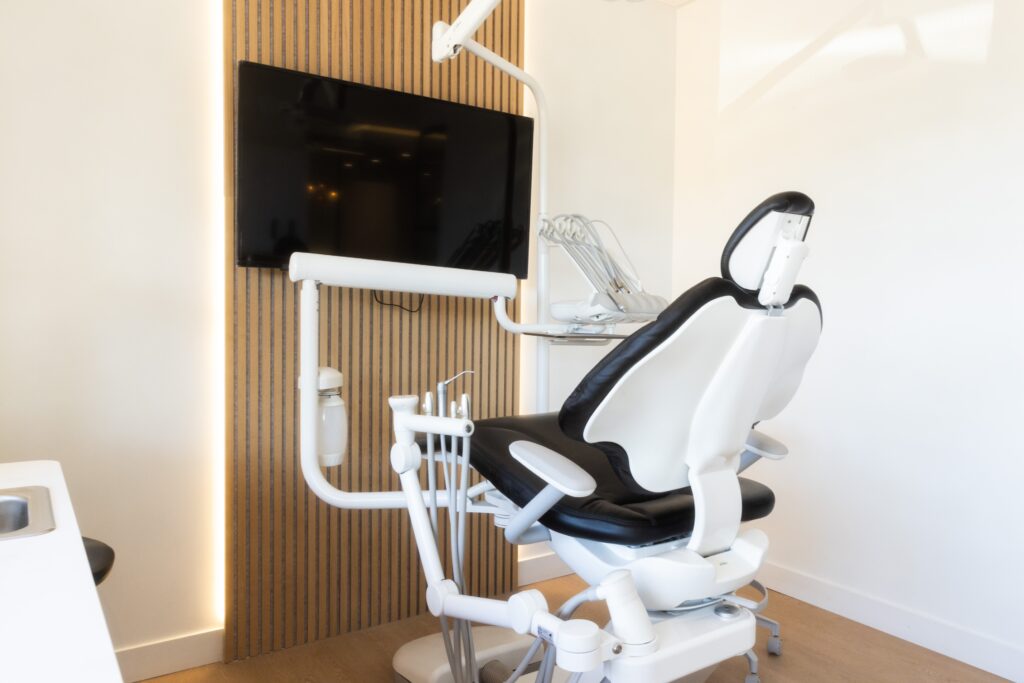


At SoCal Sleep Dentistry in Thousand Oaks, CA, we provide gentle and effective root canal treatment to relieve pain and preserve your natural tooth. Our team uses modern tools and careful techniques to treat infections, protect your long-term oral health, and ensure your comfort throughout the entire visit.
Read on to learn more about root canal treatment at SoCal Sleep Dentistry in Thousand Oaks.
About Root Canal Treatment
A root canal is a dental procedure used to treat an infection inside the tooth. When the pulp (the tissue containing nerves, blood vessels, and connective tissues) becomes inflamed or infected, it can cause significant discomfort. If left untreated, the infection may spread and lead to serious complications, including abscess formation, bone loss, and the eventual loss of the tooth.
Root canal therapy removes the damaged pulp, thoroughly cleans the inside of the tooth, and seals it to prevent further infection. Once treated, the tooth is restored with a crown or filling so you can chew comfortably and maintain a natural appearance. This process allows the tooth to function normally again while keeping your natural smile intact.
Root canals are designed to save your natural tooth. Keeping the tooth prevents shifting, bone loss, and the need for a replacement. It also maintains your bite alignment and supports long-term oral stability.
Benefits of Root Canal Treatment
Root canal treatment can provide several important benefits:
Pain Relief: Treating the infection helps relieve the intense pain that often accompanies inflamed or infected pulp.
Saves Your Natural Tooth: Rather than removing the tooth, a root canal allows you to keep it in place.
Stops Infection From Spreading: Addressing the problem early protects surrounding teeth and tissues.
Restores Normal Function: After treatment, your tooth will function normally for chewing and speaking.
Improves Appearance: A final crown or filling restores the tooth so it matches your natural smile.
In addition to comfort and function, root canals prevent more extensive dental problems that may arise from avoiding treatment, including bone deterioration and the need for more complex procedures. Root canal therapy is one of the most reliable ways to treat tooth infections and protect your long-term oral health.
The Root Canal Treatment Process
Your visit for root canal treatment includes several steps designed to ensure comfort, accuracy, and a successful outcome.
1. Initial Evaluation
Your dentist performs a thorough exam and takes X-rays to identify the source of the infection. This helps determine the best treatment approach and ensures the tooth is a good candidate for root canal therapy. Your dentist will also review your dental history, any symptoms you have been experiencing, and your overall health to create an individualized plan.
2. Local Anesthesia
The tooth and surrounding area are numbed to prevent discomfort. Patients who feel anxious or have difficulty sitting for longer procedures may request sedation options for added comfort. Our team explains each step so you know what to expect before treatment begins.
3. Accessing the Tooth
A small opening is created in the tooth to reach the infected pulp. This allows your dentist to access the inside of the tooth safely and effectively. Special instruments are used to ensure precision and protect the surrounding enamel.
4. Removing Damaged Tissue
The infected or inflamed pulp is gently removed. Specialized instruments clean the root canals to remove bacteria and prepare the interior for sealing. Your dentist may shape the canals slightly to allow for a more effective seal.
5. Disinfection and Sealing
The inside of the tooth is carefully disinfected to eliminate remaining bacteria. A biocompatible material is then placed to fill the canals and seal the space, preventing future reinfection. This step helps create a stable foundation that supports long-term function.
6. Final Restoration
A crown or filling is placed to restore strength and function. A crown is often recommended to protect the tooth long-term, especially for back teeth that withstand significant chewing pressure. The restoration also improves the appearance of the tooth and helps it blend naturally with your smile.
The goal is to preserve your natural tooth while eliminating pain and preventing further complications. Root canal therapy allows patients to return to normal eating, speaking, and daily activities without the discomfort caused by an infected tooth.
Post-Treatment Care Instructions
Following your root canal, proper care supports healing and protects your tooth. Here are helpful guidelines:
Wait for Numbness to Fade: Avoid eating until full sensation returns so you don’t bite your cheek or tongue.
Start With Soft Foods: Choose soft foods until your final restoration is placed, especially if the temporary filling feels sensitive.
Maintain Normal Oral Hygiene: Continue brushing and flossing to keep the area clean. Be gentle around the treated tooth until it feels normal again.
Avoid Hard or Sticky Foods: Hard foods can stress the treated tooth before the permanent crown or filling is placed.
Attend All Follow-Up Visits: These appointments allow your dentist to check healing progress and complete the final restoration.
Some patients may notice mild sensitivity or tenderness after the procedure. This typically subsides quickly and can be managed with over-the-counter pain relief if needed. Following these steps supports a smooth recovery and helps ensure long-term success.
Why Patients Choose SoCal Sleep Dentistry for Root Canal Treatment
Patients trust SoCal Sleep Dentistry for root canal treatment because we prioritize comfort, clear communication, and high-quality care.
Skilled Dentists: Our team uses modern tools and proven techniques to perform precise and effective root canals.
Comfort-Focused Care: We understand that tooth pain can be overwhelming, so appointments are designed to be calm and reassuring.
Customized Treatment Plans: Each root canal is tailored to your specific symptoms and dental needs, ensuring the best possible outcome.
Advanced Diagnostic Tools: High-quality imaging and evaluation methods help us plan treatments accurately and efficiently.
We are committed to helping patients feel at ease while receiving essential dental treatment. From the initial exam to the final restoration, our team emphasizes gentle techniques and thorough communication.
Anesthesia Options Available for Your Visit
Many patients feel anxious about dental procedures, especially when experiencing pain. To support your comfort, we offer several anesthesia options, including:
- Nitrous Oxide
- Moderate Sedation
- Deep Sedation
- General Anesthesia
Your dentist will help you choose the option that best fits your needs and comfort level. Our goal is to make treatment manageable and stress-free. Sedation may also be helpful for patients with sensitive gag reflexes, difficulty sitting still, or previous negative dental experiences.
Book Your Root Canal Appointment in Thousand Oaks, CA
Root canal treatment is a reliable way to save an infected tooth and restore comfort. At SoCal Sleep Dentistry in Thousand Oaks, CA, we provide attentive care, advanced techniques, and personalized treatment plans designed to protect your oral health. If you are experiencing tooth pain or sensitivity, we are here to help you find relief.
Root Canal Treatment FAQs
Is a root canal painful?
A root canal is done under local anesthesia to keep the tooth numb and ensure comfort. Most patients feel relief afterward as the infection is removed, and any mild soreness usually subsides within a few days.
How long does a root canal appointment usually take?
Most appointments last about one to one and a half hours. Some cases require a follow-up visit.
What symptoms suggest I might need a root canal?
Lingering tooth pain, sensitivity to hot or cold, swelling, or discomfort when chewing are common warning signs. A tooth that darkens in color may also indicate infection inside the root.
How long will my root canal last?
With proper hygiene and regular checkups, a root canal-treated tooth can last for many years. Adding a crown improves durability and reduces the risk of future fractures.
Will my dental insurance help cover the cost?
Many dental plans include coverage for root canal therapy, though benefits vary.
Can I drive myself home after the treatment?
Yes, if only local anesthesia is used. If sedation is chosen or recommended, you will need someone to drive you home safely.
What happens if I avoid treating an infected tooth?
Delaying treatment can allow the infection to spread to deeper tissues, potentially leading to severe pain. In advanced cases, the tooth may no longer be repairable and could require extraction.
Do root canals weaken the tooth?
The procedure can leave the tooth more brittle, which is why a crown is often recommended. A crown strengthens the tooth and restores comfortable chewing.
Can a root canal be done on a tooth with a crown already on it?
Yes. The dentist can often access the root through the existing crown, though it may need replacement depending on its condition after treatment.
What should I expect during recovery?
Mild tenderness is common for a short period, but most patients resume normal oral care immediately. Discomfort usually improves quickly as healing progresses.