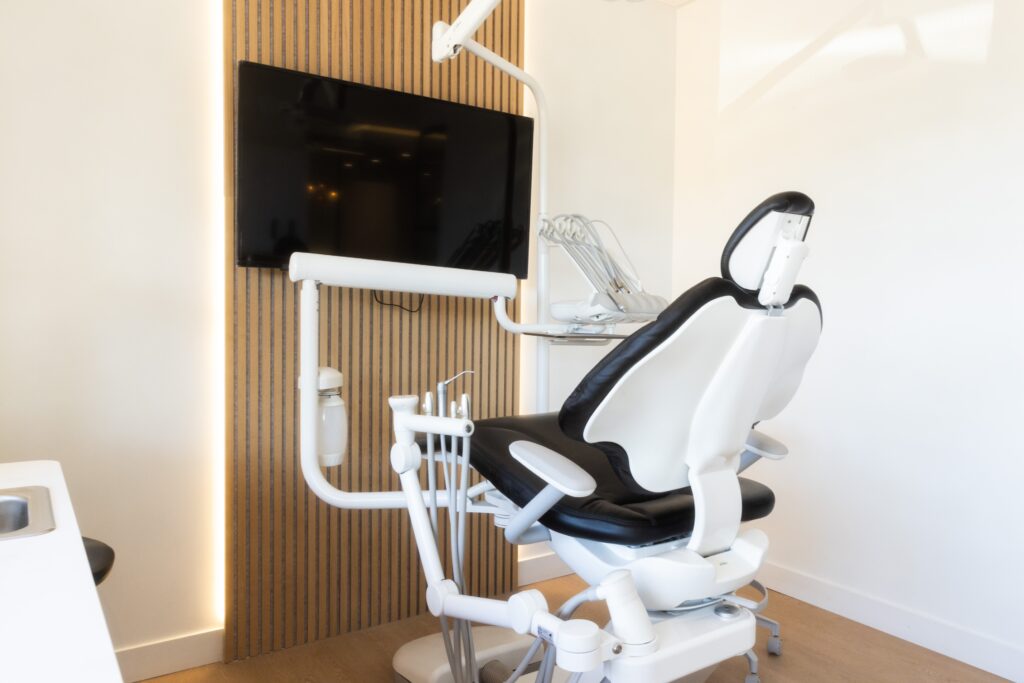


At SoCal Sleep Dentistry in Calabasas, dental care is thoughtfully adapted for patients with special needs who may experience sensory sensitivities, communication challenges, anxiety, medical complexity, or physical limitations. Without proper accommodations, even routine dental visits can be difficult.
Our Calabasas office provides a calm, structured environment designed for safety and comfort. Through in-house anesthesiology, sensory-aware spaces, and individualized care planning, we remove common barriers to care and support patients across a wide range of developmental, medical, cognitive, and physical needs.
About Special Needs Dentistry
Special needs dentistry provides dental care for individuals with physical, developmental, intellectual, behavioral, or medical conditions that require adapted treatment approaches. The focus is on safety, dignity, and personalized care rather than standard dental routines. Many patients need additional time, modified communication, environmental adjustments, or medical support to receive care comfortably.
Families often struggle to find dental providers with the training, sedation capabilities, or accessibility needed to support complex needs. Without these resources, patients may experience delayed treatment or negative dental experiences.
At SoCal Sleep Dentistry in Calabasas, we combine general dentistry with in-house anesthesiology to provide coordinated care in a familiar setting. Some patients benefit from sedation to manage anxiety or movement, while others require sensory-friendly spaces with reduced noise and lighting. We also use advanced technologies, including laser dentistry, to limit vibration and pressure, helping reduce sensory overload and support gentle, consistent care.
Why Special Needs Dentistry Requires a Unique Approach
Dental visits can be especially challenging for special needs patients due to sensory sensitivities, communication differences, mobility limitations, and medical conditions. Standard appointment structures often lack the time and flexibility needed to address these factors.
As a result, special needs dentistry requires a different care model, one based on careful planning, adaptive techniques, and low-stress environments. Effective care depends on meeting patients where they are and adjusting treatment to support comfort and safety.
Challenges in Traditional Dental Settings for Special Needs Patients
Many conventional dental offices are not equipped to support individuals with intellectual or developmental disabilities. Providers may have limited training in behavior guidance, alternative communication methods, or physical accommodations. These gaps can create significant obstacles to routine dental care.
National data illustrates the scope of the problem:
- Approximately 19.4 percent of children in the United States have special healthcare needs
- About 28.6 percent of households include at least one child with special healthcare needs
- Many dentists report feeling unprepared to care for patients with developmental or cognitive disabilities
- Up to 95 percent of children with autism experience sensory processing differences that affect dental visits
- Parents of children with autism report moderate to severe difficulty during routine cleanings at a much higher rate than parents of neurotypical children
- Nearly half of individuals with disabilities miss dental checkups for more than one year
These statistics reflect challenges commonly encountered in dental offices, including:
- Bright overhead lighting that overwhelms patients with visual sensitivities
- Loud, high-frequency sounds from dental instruments that trigger distress
- Unexpected touch or unfamiliar sensations that cause fear or resistance
- Limited space or lack of transfer support for patients with mobility limitations
- Communication barriers that prevent patients from understanding procedures or expressing discomfort
When these barriers are not addressed, families may delay care altogether, leading to preventable dental problems and increased discomfort over time.
Importance of Sensory-Friendly and Predictable Environments
Research and lived experience consistently show that sensory-adapted dental environments help patients feel calmer and more cooperative. Adjusting lighting, sound, visual stimulation, and tactile input can significantly reduce anxiety and improve overall treatment experiences. When patients feel safer, dental care becomes more manageable for everyone involved.
Effective sensory-friendly adaptations may include:
- Adjustable lighting that avoids harsh fluorescent exposure
- Quieter equipment that limits vibration and disruptive noise
- Weighted blankets or wraps that provide calming, deep pressure
- Visual aids that help patients understand what will happen next
- Reduced background noise or carefully controlled music volume
- Clean, uncluttered treatment spaces with minimal distractions
Predictability is essential for many special needs patients, who often rely on routines and clear expectations to feel secure. Sudden changes or rushed instructions can increase distress, so each visit at our Calabasas office follows a calm, consistent flow.
Because every patient is different, special needs dentistry cannot follow a single standard approach. Treatment environments, pacing, and communication are adapted to the individual, forming the foundation of our care in Calabasas.
How SoCal Sleep Dentistry Supports Special Needs Patients in Calabasas
Our approach recognizes that every patient experiences dental care differently. For those with special needs, comfort, communication, and predictability are essential. At SoCal Sleep Dentistry in Calabasas, we take time to understand each patient’s medical background, sensitivities, and support needs before treatment begins.
This planning allows us to tailor each visit through adjusted pacing, clear explanations, environmental modifications, or medical support when needed. By working closely with patients and caregivers, we support both physical comfort and emotional well-being.
General Dentistry Combined With In-House Anesthesiology
One of the defining features of SoCal Sleep Dentistry is the integration of general dental care with in-house anesthesiology. Many special needs patients require sedation because of anxiety, involuntary movement, sensory sensitivities, or complex medical conditions. In many settings, families are asked to coordinate care across multiple facilities to access these services.
Our Calabasas office removes that burden by offering dental treatment and anesthesia care in one coordinated setting. This continuity allows patients to remain in a familiar environment while receiving the level of support they need.
Sedation options available include:
- Nitrous oxide
- Oral sedation
- IV sedation
- Deep sedation
- General anesthesia
Having access to a full range of sedation options allows our team to match the level of support to the patient rather than forcing the patient to adapt to limited choices. Whether the goal is mild relaxation or complete unconsciousness during treatment, our anesthesiology team works closely with the dental team to ensure care is safe, carefully monitored, and well planned from start to finish.
Wheelchair-Accessible Dental Office Design
Physical accessibility is a foundational part of special needs dentistry. Patients with mobility limitations often face unnecessary barriers in dental offices that are not designed with accessibility in mind. At SoCal Sleep Dentistry in Calabasas, our facility is structured to support safe and comfortable movement throughout the office.
Accessibility features include:
- Convenient parking located close to the main entrance
- A step-free, ADA-compliant entryway
- Wide doorways and hallways designed for wheelchairs and mobility devices
- Dental chairs that adjust in height to assist with safe transfers
- ADA-compliant restrooms with proper clearance and support rails
These features allow patients with physical disabilities to receive care without added stress or logistical challenges. Our goal is to ensure that the environment itself supports dignity, safety, and ease of access.
Trained Staff for Autism and Developmental Disabilities
Many individuals with developmental or cognitive conditions face challenges in finding dental teams experienced in autism, developmental delays, or neurodivergent care.
At SoCal Sleep Dentistry in Calabasas, care begins with pre-visit consultations that allow caregivers to share medical history, communication preferences, sensory triggers, and past experiences. This planning helps us create familiar, predictable visits.
During appointments, we minimize sensory triggers, allow extra time when needed, and use calm, consistent communication. These adjustments reduce anxiety and support a more comfortable dental experience for every patient.
Sensory-Friendly and Sedation Options Available
For many special needs patients, comfort depends on both the treatment environment and the level of sedation used. At our Calabasas location, we focus on reducing sensory overload while carefully selecting sedation methods that support safety and emotional comfort.
By addressing environmental triggers and medical needs together, we create a setting where patients can feel more at ease during dental care.
Noise-Free Equipment and Low-Light Rooms
Bright lights, loud equipment, and unfamiliar sensations can be overwhelming for individuals with sensory sensitivities. Studies consistently show that adapting the dental environment can lower stress levels and improve cooperation.
To support a sensory-aware experience, our Calabasas office incorporates:
- Adjustable lighting to avoid harsh overhead exposure
- Soft room lighting with calming ceiling visuals
- Low-vibration, quieter dental tools
- Noise-canceling headphones to reduce drilling sounds
- Weighted blankets that provide calming, deep pressure
- Tinted dental eyewear to lessen light sensitivity
These adjustments help reduce the body’s stress response and allow patients to remain more grounded during treatment. The goal is to create a space where patients feel secure and supported throughout their visit.
General Anesthesia for Special Needs Patients
For some individuals, general anesthesia is the safest and most effective way to receive dental care. A significant portion of special needs patients require this level of support due to physical limitations, behavioral challenges, or sensory sensitivities that make traditional treatment unsafe or impractical.
General anesthesia may be appropriate for:
- Patients who are unable to remain still
- Individuals who need multiple or complex procedures completed at once
- Patients with medical conditions that increase treatment risk
- Those who have not responded well to other sedation options
When general anesthesia is recommended, our in-house anesthesia team conducts a thorough review of the patient’s medical history, medications, and overall health. This careful evaluation allows treatment to be completed in a controlled, closely monitored setting tailored to the patient’s needs.
Nitrous Oxide and IV Sedation for Anxiety Management
Not all patients require general anesthesia. For many, moderate sedation options provide effective anxiety relief while allowing some level of awareness.
Nitrous Oxide
Nitrous oxide provides mild relaxation through a soft nasal mask. It works quickly and wears off shortly after treatment, making it suitable for patients who need help tolerating shorter procedures.
Nitrous oxide:
- Reduces anxiety
- Provides mild pain relief
- Helps patients remain calm without losing consciousness
- Requires little to no recovery time
IV Sedation
IV sedation delivers medication directly into the bloodstream, creating a deeper level of relaxation. Patients remain conscious but are often very calm and may have limited memory of the procedure.
IV sedation:
- Acts quickly and provides deeper relaxation
- Allows continuous monitoring of vital signs
- Serves as an alternative to general anesthesia for some patients
- Helps individuals with significant anxiety or sensory sensitivities
Before recommending any sedation method, our Calabasas team carefully reviews each patient’s medical history to determine the safest and most appropriate option.
Tailored Care for Specific Conditions and Disabilities
Special needs dentistry requires flexibility, awareness, and careful adaptation. At SoCal Sleep Dentistry in Calabasas, treatment plans are developed around the individual rather than assumptions tied to a diagnosis.
Each patient brings a unique combination of medical history, sensory needs, communication abilities, and comfort thresholds. Our protocols are designed to support patients across a broad range of conditions while maintaining safety, dignity, and consistency.
By adjusting appointment structure, environment, and clinical approach, we help patients receive dental care in a way that feels manageable and respectful.
Dentistry for Children With Autism Spectrum Disorder
Children on the autism spectrum often experience heightened sensitivity to sound, light, touch, and unfamiliar routines. Traditional dental environments can feel unpredictable and overwhelming. Our Calabasas team uses structured routines and clear communication to help children feel more secure during visits.
Autism-supportive strategies may include:
- Meeting the child before treatment to build familiarity with the environment
- Using simple, direct language such as “First we look, then we rest”
- Allowing children to see and touch instruments before they are used
- Providing deep-pressure input when calming support is helpful
These approaches reduce uncertainty and allow children to engage with dental care at their own pace, creating a smoother and more positive experience.
Dental Care for Patients With Sensory Processing Disorder
Sensory processing disorder affects a significant portion of the population and can make dental care challenging. Patients may react strongly to textures, vibrations, temperatures, or even gentle touch. Sensations that seem minor to others can feel intense or uncomfortable.
Our approach in Calabasas includes:
- Using slower, firmer pressure rather than a light touch
- Maintaining quiet, low-stimulation treatment rooms
- Offering sensory supports such as weighted blankets and soft lighting
These adjustments help patients feel more grounded and reduce the stress associated with overstimulation.
Special Needs Dentistry for Adults With Physical Disabilities
Adults with physical disabilities often encounter barriers in dental offices that are not designed for mobility support. Conditions such as cerebral palsy, muscular dystrophy, or multiple sclerosis can make positioning, transfers, and prolonged treatment difficult.
At our Calabasas location, accommodations include:
- Height-adjustable dental chairs to assist with transfers
- Safe transfer support when needed
- Step-free pathways and spacious treatment rooms
These features allow adults of all mobility levels to receive comprehensive dental care in a space built for accessibility and comfort.
Dementia and Alzheimer’s Dental Protocols
Patients living with dementia or Alzheimer’s disease benefit from a calm, simplified, and structured approach to dental care. Cognitive changes can affect memory, comprehension, and tolerance for unfamiliar situations. Oral health remains especially important for these individuals, as infections can impact overall health.
Our protocols focus on:
- Clear, step-by-step instructions
- Breaking tasks into small, manageable actions
- Using the tell-show-do method before each step
- Encouraging caregiver involvement throughout the visit
These techniques help reduce confusion, preserve dignity, and create a more predictable experience.
What to Expect During a Visit to SoCal Sleep Dentistry
Preparation plays an important role in helping special needs patients feel supported. At our Calabasas office, we guide patients and caregivers through each stage of the visit with clear communication and thoughtful planning.
Pre-Visit Consultations and Caregiver Involvement
Each visit begins with a detailed consultation to understand the patient’s needs. During this discussion, we gather information such as:
- Medical conditions and current medications
- Previous dental experiences
- Sensory sensitivities or behavioral triggers
- Preferred communication methods
- Mobility or positioning considerations
Caregivers provide valuable insight into what helps the patient feel comfortable and what should be avoided. This collaborative planning allows us to design care that supports the patient’s well-being.
Step-by-Step Walkthrough of a Typical Appointment
Upon arrival at our Calabasas office, check-in is handled calmly and efficiently. Visual schedules are available for patients who benefit from seeing each step in advance. Appointments are scheduled during quieter times when appropriate, and extended appointment slots are available to reduce pressure.
In the treatment room:
- Patients may explore instruments before they are used
- Lighting and sound are adjusted for comfort
- Movements are slow and predictable
- Breaks are offered whenever needed
Each detail is designed to maintain a calm and steady environment.
Post-Treatment Support and Follow-Up Plans
Care continues after the appointment is complete. Our team follows up with caregivers to ensure recovery is going smoothly and to address any questions. Written instructions and educational resources are provided to support oral hygiene at home.
When appropriate, we coordinate with physicians, therapists, or other healthcare providers to ensure care remains consistent and well integrated.
Visit SoCal Sleep Dentistry in Calabasas for Special Needs Dentistry
SoCal Sleep Dentistry in Calabasas provides accessible, respectful dental care for patients with special needs in an environment designed for comfort, safety, and mobility. Our fully ADA-compliant office supports patients across a wide range of physical, sensory, and medical needs.
The practice is led by Dr. Daniel Kohanchi, a Dentist and Anesthesiologist, and Dr. Nina Rastegar, a Cosmetic and Surgery Specialist, both of whom bring advanced training, including education through the University of Pittsburgh Medical Center’s Center for Patients with Special Needs.
We care for patients from early childhood through adulthood, supporting individuals with autism spectrum disorder, sensory processing disorders, physical disabilities, developmental and intellectual disabilities, and dementia-related conditions. Our approach is grounded in patience, respect, and individualized care for patients who may require a more supportive dental setting.
Frequently Asked Questions
Is special needs dentistry available for both children and adults in Calabasas?
Yes. We provide special needs dental care for children, adults, and older patients, with treatment plans adapted to each individual’s needs.
Can caregivers stay with the patient during the dental visit?
Caregivers are often welcome during preparation and communication. For some procedures or sedation, they may step out briefly for safety.
How do you decide which sedation option is appropriate?
Sedation is chosen after reviewing medical history, medications, anxiety levels, and treatment needs to ensure safety and comfort.
What should caregivers bring to the appointment?
Bring medical information, a medication list, and notes on sensory triggers or communication preferences. Comfort items are also helpful.
How does the Calabasas office support mobility challenges?
The office offers step-free access, wide hallways, adjustable chairs, and ADA-compliant restrooms for safe, comfortable care.