
Deep cleaning teeth can sound intimidating when you expect a routine dental cleaning. Many patients hear the recommendation and wonder if it means their mouth is in worse shape than they realized. The truth is more practical. A dental deep cleaning is usually recommended when plaque, tartar, and bacteria have collected below the gumline, where a regular cleaning cannot fully reach.
This type of visit is different from a preventive polish. It is used when the gums show signs of inflammation, deeper pockets, bleeding, or early periodontal disease. Your dentist is not trying to make a simple visit sound bigger. The goal is to clean the tooth roots and gum pockets so the gums can respond and the teeth have better support.
At SoCal Sleep Dentistry, teeth cleaning may include routine care or a deeper approach called scaling and root planing. Your exam, gum measurements, X-rays, and symptoms help decide which cleaning fits your mouth.
Dental Deep Cleaning
Deep cleaning teeth means cleaning below the gumline when plaque, tartar, and bacteria have collected around the tooth roots. Dentists usually recommend it when gum disease signs are present, such as bleeding gums, deeper gum pockets, tartar below the gumline, or ongoing inflammation.
A dental deep cleaning is different from a routine cleaning because it treats the areas that a standard polish cannot fully reach. The clinical name is scaling and root planing.
Deep cleaning may be recommended when your dentist finds:
- Gum pockets that are deeper than healthy measurements
- Bleeding during a gum exam
- Tartar buildup below the gumline
- Swollen, tender, or receding gums
- X-ray changes linked to gum disease
The goal is to remove the buildup irritating the gums and help the tissue heal more closely around the teeth.
What Is a Deep Cleaning at the Dentist
A deep cleaning at the dentist is a gum treatment used when bacteria and tartar sit below the gumline. The clinical name is scaling and root planing.
Scaling Removes Buildup
Scaling removes plaque and tartar from the teeth, including areas below the gumline. When gum pockets are deeper, bacteria can collect where brushing and flossing cannot reach well.
Root Planing Smooths Tooth Roots
Root planing smooths rough root surfaces after buildup is removed. Smoother roots can help the gums heal closer to the teeth and reduce areas where bacteria collect quickly.
This is why deep teeth cleaning often takes longer than a standard cleaning. It is more focused and may be completed in sections if several areas need care.
Why Your Dentist May Recommend Dental Deep Cleaning
Your dentist may recommend dental deep cleaning after measuring the spaces between your teeth and gums. These spaces are called pockets. Healthy gums usually sit close to the teeth. Deeper pockets can signal that plaque and tartar have moved below the gumline.
Bleeding during the exam can also be a sign that the gums are inflamed. Bad breath, gum tenderness, recession, loose-feeling teeth, or buildup visible on X-rays can add to the recommendation.
SoCal Sleep Dentistry offers teeth cleaning services that include scaling and root planing for patients with gum disease. The recommendation should come from what your dentist sees during your exam, not from a one-size plan.
Regular Cleaning vs Deep Cleaning
A regular cleaning is preventive. It removes plaque and tartar from visible tooth surfaces and near the gumline. It helps patients with healthy or stable gums keep their mouth cleaner.
Deep cleaning treats a problem that has moved below the gumline. The focus is not cosmetic polishing. It is cleaning the roots and pockets where bacteria are contributing to gum inflammation.
If your dentist recommends scaling and root planing, ask which pocket depths, bleeding points, or X-ray findings led to the plan. A clear explanation can make the visit feel easier to understand.
Does Deep Cleaning Teeth Hurt
Does deep cleaning teeth hurt? Many patients feel pressure, vibration, scraping, or tenderness, but the visit can be planned with comfort in mind. Local anesthetic may be used when cleaning below the gums.
The gums can feel sensitive afterward, especially if they were already inflamed. This usually improves as the area settles. Eating softer foods for a short time and brushing gently can help you stay comfortable during early recovery.
Patients who feel nervous should say so before treatment. SoCal Sleep Dentistry focuses on comfortable dental care, and your team can talk through what to expect before the appointment begins.
Deep Cleaning Teeth Cost
Deep cleaning teeth cost varies because treatment is based on the number of areas needing care, the amount of buildup, gum pocket depth, X-rays, comfort options, and insurance coverage. A patient needing one section cleaned may have a different cost than someone needing treatment across the full mouth.
The most useful estimate comes after an exam. Your dentist can review the diagnosis, explain the number of quadrants involved, and outline the fee before treatment.
A lower-cost routine cleaning may not be the right care if the problem sits below the gumline. The better question is which treatment your gums need now.
What Happens During the Appointment
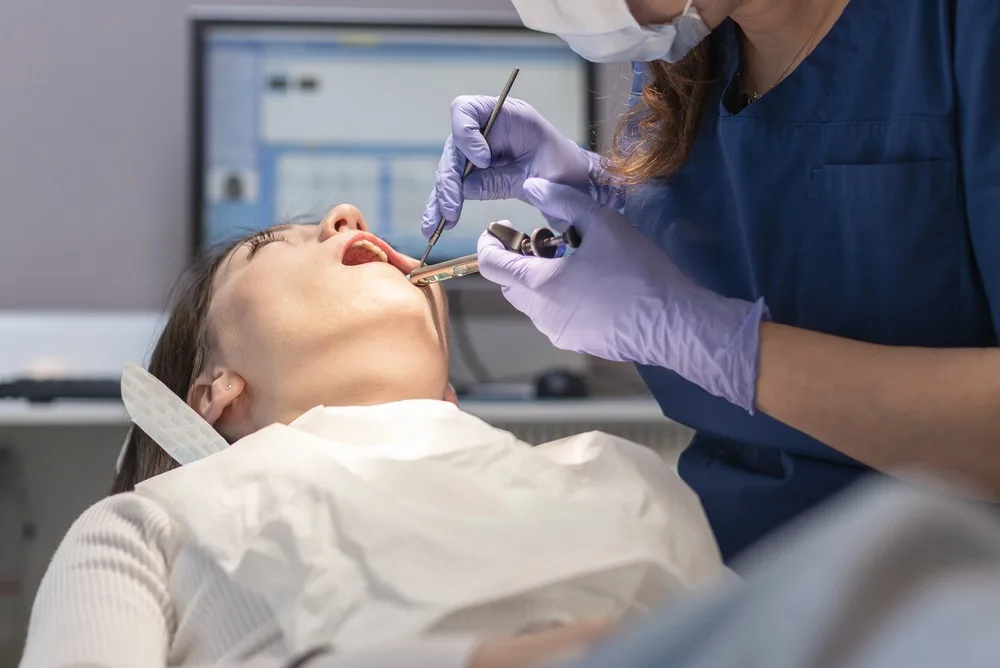
Your visit usually includes a review of your gums, teeth, and X-rays. The dental team may measure gum pockets and identify areas with deeper buildup.
The treated area is cleaned carefully. Scaling removes plaque and tartar. Root planing smooths root surfaces. If numbing is used, your mouth may feel numb for a short time afterward.
The appointment may be completed in one visit or split into sections. This can make treatment more comfortable and allow the team to focus carefully on each area.
What Happens After Deep Cleaning Teeth
After deep cleaning teeth, your gums may feel tender, sensitive, or slightly swollen for a few days. This does not mean the treatment went badly. The tissue has been cleaned below the gumline, and the mouth needs time to settle.
Your dentist may recommend gentle brushing, careful cleaning between teeth, warm salt water rinses when appropriate, and softer foods for a short period. Avoid aggressive brushing over tender areas.
Follow-up visits may be recommended to check pocket depths, bleeding, and plaque control. The goal is healthier gums and fewer bacteria collecting below the gumline.
How to Care for Your Gums at Home
Home care has a major role after scaling and root planing. Your dental team can show you which areas need extra attention.
Daily care may include brushing twice with fluoride toothpaste, cleaning between teeth, using a soft-bristled toothbrush, and following any rinse instructions given at your visit. Technique is often more useful than scrubbing harder.
If certain spaces are hard to clean, your dentist or hygienist may suggest floss, interdental brushes, or another tool that fits your teeth better.
How Often Will You Need Cleaning Afterward
After gum treatment, your cleaning schedule may change. Some patients return to routine visits. Others need periodontal maintenance more often to keep deeper pockets clean and monitor gum response.
This schedule is based on your gum health, risk factors, home care, and how the tissue responds after treatment. Patients with a history of gum disease may need closer monitoring than patients with healthy gums.
Keeping maintenance visits can help reduce the chance that buildup returns below the gumline.
Book Teeth Cleaning at SoCal Sleep Dentistry
Deep cleaning teeth can be a helpful treatment when gums are inflamed, pockets are deeper, or tartar has collected below the gumline. It is not the same as a routine polish, and it should be recommended based on your exam findings.
SoCal Sleep Dentistry provides teeth cleaning, gum evaluation, scaling and root planing, and ongoing dental care for patients who need routine or deeper treatment. Your visit can help you understand what your gums need and what the next step should be.
Book a teeth cleaning appointment at SoCal Sleep Dentistry today to protect your gums, freshen your smile, and get the right care for your mouth.
Frequently Asked Questions
What is a deep cleaning for teeth?
A deep cleaning for teeth is scaling and root planing, which cleans below the gumline and smooths tooth roots when gum disease signs are present.
How much is deep cleaning teeth?
The cost varies by the number of areas treated, buildup level, gum condition, X-rays, comfort options, and insurance coverage.
Is deep teeth cleaning the same as scaling and root planing?
Yes. Deep teeth cleaning usually refers to scaling and root planing, which removes buildup below the gumline.
How do I know if I need a dental deep cleaning?
Your dentist checks gum pocket depths, bleeding, tartar below the gumline, X-rays, gum recession, and signs of gum disease.
Can a regular cleaning replace deep cleaning?
A regular cleaning may be enough for healthy gums. Deeper care may be needed when buildup sits below the gumline.
Does deep cleaning teeth hurt?
Numbing can be used during treatment. Some pressure or tenderness can happen, but comfort planning helps the visit feel manageable.
How long does teeth deep cleaning take?
Timing varies by how many areas need treatment. Some visits are completed in one appointment, while others are split into sections.
What should I eat after dental deep cleaning?
Soft foods can feel better at first. Avoid hard, crunchy, spicy, acidic, sticky, or very hot foods until the gums feel calmer.