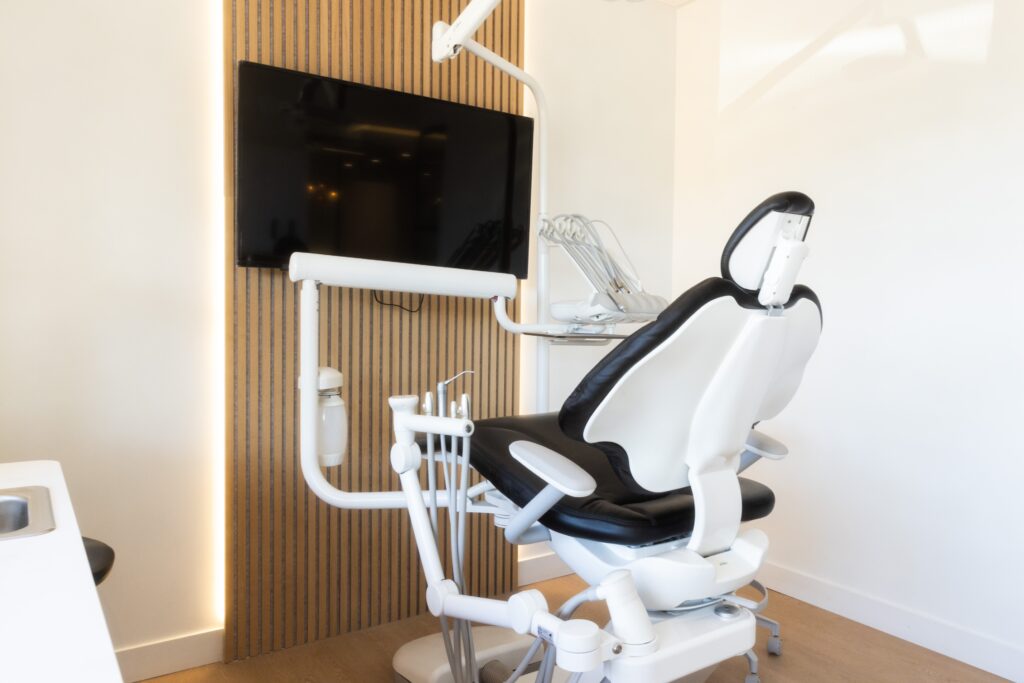


At SoCal Sleep Dentistry in Thousand Oaks, CA, we offer several anesthesia options to help patients relax and receive dental care comfortably. These services support individuals who experience dental anxiety, have a low pain threshold, face sensory or behavioral challenges, or are preparing for lengthy or complex procedures. Our goal is to make every visit feel calm and approachable so patients can receive the care they need without fear or discomfort.
Read on to learn more about dental anesthesia options at SoCal Sleep Dentistry in Thousand Oaks.
Nitrous Oxide (Laughing Gas)
Nitrous Oxide is a mild and widely used form of sedation that helps patients feel calm and relaxed during dental care. It is delivered through a soft nasal mask and begins working within minutes, creating a light, floating sensation that eases tension. Because the effects fade quickly after treatment, Nitrous Oxide is an excellent option for routine visits or for patients who want minimal sedation with rapid recovery.
Benefits of Nitrous Oxide
- Fast-Acting Relief: The calming effects begin shortly after you start breathing the gas, supporting relaxation almost instantly.
- Customizable Levels: Your dentist can adjust the level of Nitrous Oxide throughout the appointment to keep you comfortable.
- Quick Recovery: Effects fade within minutes after the mask is removed, and most patients can drive themselves home.
- Low Risk of Side Effects: Nitrous Oxide is considered one of the safest sedation methods when administered by trained providers.
Nitrous Oxide Process
During your consultation, your dentist reviews your medical history to confirm that Nitrous Oxide is safe for you. During treatment, a small nasal mask is placed comfortably over your nose as you breathe normally. Relaxation begins quickly, and your vital signs are monitored throughout the procedure. After treatment, the gas is turned off and oxygen is administered to clear any remaining effects, allowing you to return to your day feeling alert.
Moderate Sedation
Moderate Sedation (most often administered through an IV) provides a deeper level of relaxation than Nitrous Oxide. This option is ideal for patients with significant anxiety, individuals who need help staying still, or those planning more involved treatments such as extractions, root canals, or long restorative appointments.
Benefits of Moderate Sedation
- Stronger Relaxation: You feel noticeably calmer and more at ease throughout the appointment.
- Precise Control: Sedation can be adjusted at any time, ensuring your comfort from start to finish.
- Minimal Memory of Procedure: Many patients remember very little, which helps reduce future anxiety.
- Quick Onset: Medication begins working soon after it enters the bloodstream.
Moderate Sedation Process
Your dentist reviews your medical history and explains what to expect during the visit. Once treatment begins, a small IV line is placed on your hand or arm, and medication is delivered gradually. Your breathing, heart rate, blood pressure, and oxygen levels are monitored continuously. After the appointment, the sedative takes time to wear off, so a responsible adult must drive you home and stay with you until you feel fully alert.
Deep Sedation
Deep Sedation brings patients to an even more relaxed state, often with light sleep and limited responsiveness. While you may still be able to react to repeated stimulation, you will feel significantly removed from the procedure. This option is administered by trained anesthesia providers and is commonly chosen for longer surgeries, patients with severe procedural anxiety, or individuals who have difficulty remaining still for dental care.
Benefits of Deep Sedation
- High Level of Comfort: Patients feel fully relaxed throughout the treatment.
- Ideal for Lengthy Procedures: Allows multiple treatments to be completed in a single appointment.
- Little to No Memory: Most patients do not remember the visit afterward.
- Reduced Movement: Deep relaxation helps the dentist perform precise work safely.
- Enhanced Safety With Monitoring: Continuous monitoring ensures a secure, well-controlled experience.
Deep Sedation Process
Before treatment, a full medical history review ensures Deep Sedation is appropriate. During the appointment, anesthesia is administered through an IV by a trained provider while your vital signs are monitored closely. After the procedure, patients wake gradually and rest in a recovery area until cleared to go home with an escort.
General Anesthesia
General Anesthesia is the deepest form of sedation and places patients into a fully unconscious state, similar to a hospital surgical environment. This option is typically reserved for complex dental procedures, individuals with severe dental anxiety, or patients with medical or behavioral conditions that prevent them from tolerating treatment while awake.
Benefits of General Anesthesia
- Full Unconsciousness: Patients are completely unaware throughout the entire procedure.
- No Pain or Anxiety: Both sensation and anxiety are blocked entirely.
- Helpful for Complex Care: Ideal when extensive dental work must be completed in one visit.
General Anesthesia Process
Your dentist and anesthesia provider review your medical history to confirm suitability. Medication is administered through an IV to bring you into a deep sleep, and advanced monitoring equipment is used throughout treatment. Afterward, you will wake slowly in a recovery area and will need to be escorted home once cleared for discharge.
Who Can Benefit From Dental Anesthesia in Thousand Oaks?
Dental anesthesia can support a wide range of patients, including:
- Those with dental anxiety
- Individuals who have difficulty numbing with local anesthetic
- Children or adults with sensory, developmental, or behavioral challenges
- Patients needing multiple procedures in one appointment
- Individuals with strong gag reflexes
- Those undergoing surgical or complex dental treatments
By offering multiple anesthesia options, our team ensures customized comfort for every patient, regardless of age, condition, or procedure type.
Our Safety and Monitoring Standards
Your safety is the foundation of every anesthesia service we provide. Our team follows strict monitoring protocols before, during, and after treatment. This includes:
- Continuous monitoring of heart rate, blood pressure, and oxygen levels
- Use of modern, well-maintained anesthesia equipment
- Thorough medical history and medication reviews
- Clear post-treatment recovery guidelines
- A monitored recovery period before discharge
Each step is carefully designed to create a predictable, safe experience.
Why Patients Choose SoCal Sleep Dentistry for Anesthesia Care
Patients trust our Thousand Oaks team for several reasons:
Experienced Anesthesia Providers: Our dentists and anesthesia-trained professionals understand the unique needs of patients requiring sedation.
Comfort-Focused Environment: We take time to understand your concerns and provide reassurance at every step.
Customized Sedation Plans: Each patient receives a sedation plan tailored to their health, comfort level, and procedure.
Inclusive Care Options: We welcome patients with special healthcare needs and adapt our approach to ensure a supportive experience.
Book Your Dental Anesthesia Consultation in Thousand Oaks, CA
Dental anesthesia services make it possible for patients of all ages to receive care comfortably and safely. At SoCal Sleep Dentistry in Thousand Oaks, CA, our team is here to help you explore your options and choose the level of support that fits your needs. If you’re ready to experience a more relaxed dental visit, our staff is here to guide you every step of the way.
Dental Anesthesia FAQs
Does dental anesthesia put me fully to sleep?
Only General Anesthesia puts you completely asleep. Other options (such as Nitrous Oxide, Oral Sedation, or IV Sedation) help you relax while staying awake or lightly drowsy. Your dentist will explain what each option feels like so you know what to expect.
How do I know which sedation option is right for me?
Your dentist will review your health, comfort needs, and procedure type to recommend the safest option. Factors such as anxiety, movement limitations, and past dental experiences help determine the best fit.
Can children receive dental anesthesia?
Yes. Several forms of dental anesthesia are safe for children when provided by trained professionals. The type used depends on the child’s age, medical history, and the complexity of their treatment.
Will I feel groggy afterward?
Nitrous Oxide wears off quickly, allowing most patients to resume normal activities. Deeper sedation or General Anesthesia may leave you drowsy for several hours, and you may need extra rest afterward.
Is fasting required before sedation?
Fasting is required for deeper sedation and General Anesthesia. You will receive clear instructions about when to stop eating and drinking to ensure safety during the procedure.
Can I drive after sedation?
You can drive after Nitrous Oxide, but deeper sedation types require a responsible adult to take you home. These options can affect coordination and reaction time for the remainder of the day.
Are there risks with dental anesthesia?
All anesthesia carries some risk, but complications are rare when properly administered and monitored. Your dentist will review your health history and monitor your vital signs throughout the procedure.
How soon can I return to normal activities?
Recovery time depends on the sedation type. Nitrous Oxide allows quick return to routine activities, while deeper sedation may require rest for the day.
Is dental anesthesia covered by insurance?
Coverage varies by plan. Our team can help review your benefits and explain expected costs before treatment.
Can sedation help with a sensitive gag reflex?
Yes. Sedation can greatly reduce gag reflex sensitivity, making dental procedures easier and more comfortable.